Use AI for ideas, research and spelling checks, and write the core yourself. Research links LLM polishing to flatter, more uniform prose, and AI story ideas made stories more alike. Fact-check every output, cut facts you didn't supply, and disclose substantial AI-generated text, which the Authors Guild says isn't copyrightable.
Key takeaways
- In a study published in Nature Human Behaviour, LLM polishing cut writing-complexity variance by 21–50% across datasets and models.
- AI story ideas made short stories better rated but more alike, so brainstorm with AI and then write the piece yourself.
- Write or dictate the core of a piece yourself, and delete any fact in an AI draft that you didn't supply.
- A 2026 preprint found style features separate AI-edited text from AI-generated text but are substantially less effective at separating it from human writing.
- The Authors Guild says AI-generated text isn't copyrightable and recommends publicly disclosing substantial AI use.
Using AI to write without sounding like AI starts with knowing where the sameness comes from. Researchers have measured a drop in style variety when LLMs polish and rewrite human writing, and in one experiment AI story ideas made stories more alike.
That points toward keeping your own words and facts at the center. The Authors Guild’s advice to anyone claiming authorship is that “the words and thoughts should be your own,” so write or dictate the core yourself, use AI for ideas and checks, and edit any AI output against what you actually said.
| Question | Short answer |
|---|---|
| Does AI make writing sound alike? | Yes. When LLMs polished and rewrote texts, writing-complexity variance fell by 21–50% across datasets and models, in a study published in Nature Human Behaviour. |
| Do AI ideas help? | In one experiment, yes, with a catch: AI story ideas made stories better written and more enjoyable, but the stories were more similar to each other. |
| Can people spot AI text? | Many doubt it. 53% of Americans aren’t confident they can tell whether content was made by AI, while 76% say being able to tell is extremely or very important. |
| Does AI editing leave a clear trace? | Harder to spot. In a preprint, style features were substantially less effective at separating AI-edited text from human writing, though they did separate it from AI-generated text. |
| Do I have to disclose? | The Authors Guild recommends you publicly disclose any substantial use of AI to generate text. |
| Can I copyright AI-written text? | The Authors Guild says AI-generated text is not copyrightable and must be disclaimed when you register a work. |
Why does AI-assisted writing so often sound like AI?
AI-assisted writing sounds like AI because language models pull text toward common patterns, and that pull shows up even when the ideas are yours.
880,000 texts
Texts across seven datasets in the linguistic diversity study published in Nature Human Behaviour
Source: arxiv.org, as of Nov 29, 2026
293 writers
Writers in the preregistered story experiment where some could request ideas from GPT-4
Source: pmc.ncbi.nlm.nih.gov, as of Nov 29, 2026
5.2 %
How much more similar stories in the one-idea condition were to the AI ideas
Source: pmc.ncbi.nlm.nih.gov, as of Nov 29, 2026
11 models
Language models whose texts were compared with human writing across 8 domains
Source: arxiv.org, as of Nov 29, 2026
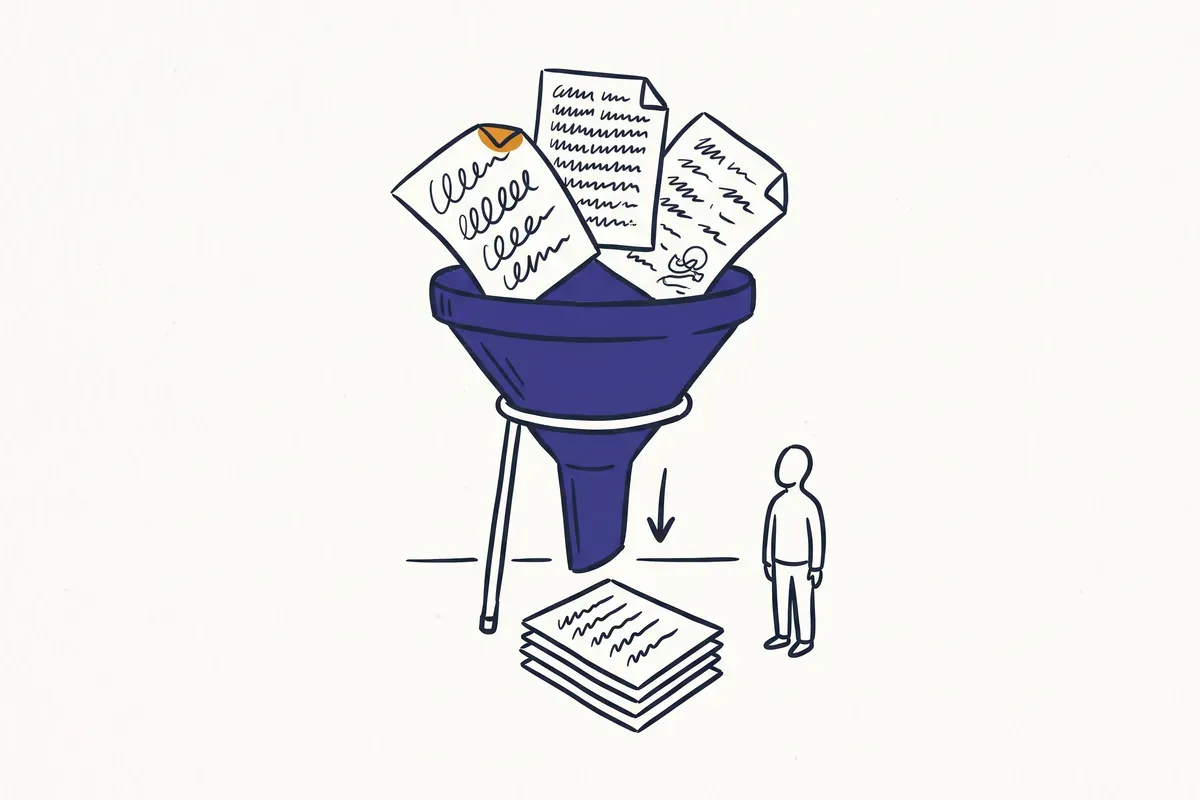
The largest body of evidence comes from a study of linguistic diversity published in Nature Human Behaviour, which spans three studies, seven datasets and over 880,000 texts. When LLMs polished and rewrote writing, the core content survived, but the models “homogenize writing styles” and “amplify patterns associated with dominant characteristics while suppressing others.” The authors report that these trends held across different LLMs, prompts and contexts.
A preregistered experiment with 293 writers asked people to write an eight-sentence story, and some could request story ideas from GPT-4. Compared with writers who had no AI option, stories in the one-idea and five-idea conditions were 5.2% and 5.0% more similar to the AI ideas. The researchers say the writers were “anchored to some extent” on what the AI showed them. That study covers eight-sentence fiction only, with no back-and-forth with the model, so read it as a warning sign for emails or books rather than a measured result.
A preprint comparing texts from 11 language models across 8 domains found that human-written texts “tend to exhibit simpler syntactic structures and more diverse semantic content.” Newer models produced output with similar variability to each other, which the authors read as “a homogenization of machine-generated texts.”
Which parts of writing is AI actually good for: ideas, drafting or editing?
The Authors Guild ranks AI uses by risk: research and spelling checks carry the least, and copying AI output into work you present as your own carries the most. The research adds detail on ideas and editing.
Ideas: useful if you write the piece yourself
In the 293-writer experiment, AI ideas helped the least creative writers most. Among writers who scored low on a creativity test and had access to five AI ideas, ratings of how well the story was written rose by up to 26.6% and enjoyment by up to 22.6%, putting them on par with more creative writers. Those writers couldn’t copy and paste the AI text. They read the idea and wrote the story themselves.
Drafting: the step to keep for yourself
The Authors Guild’s best practices for authors say “generating text and claiming it as your own writing without substantial revision” is “generally considered unethical and possibly plagiarism.” With a book deal, the stakes rise. The same page notes that book contracts carry a warranty that the manuscript is original, and that AI-generated text “may violate the writer’s contractual warranty.”
Editing: a different trace, and still a flattening effect
Editing leaves a different fingerprint than drafting does. A 2026 preprint on stylometric footprints found that AI-edited texts showed “only a small increase in lexical diversity and a decrease in entropy,” unlike the pattern that marked AI-generated text across 8 LLMs and 5 domains. Lexical density became the dominant editing-associated signal.
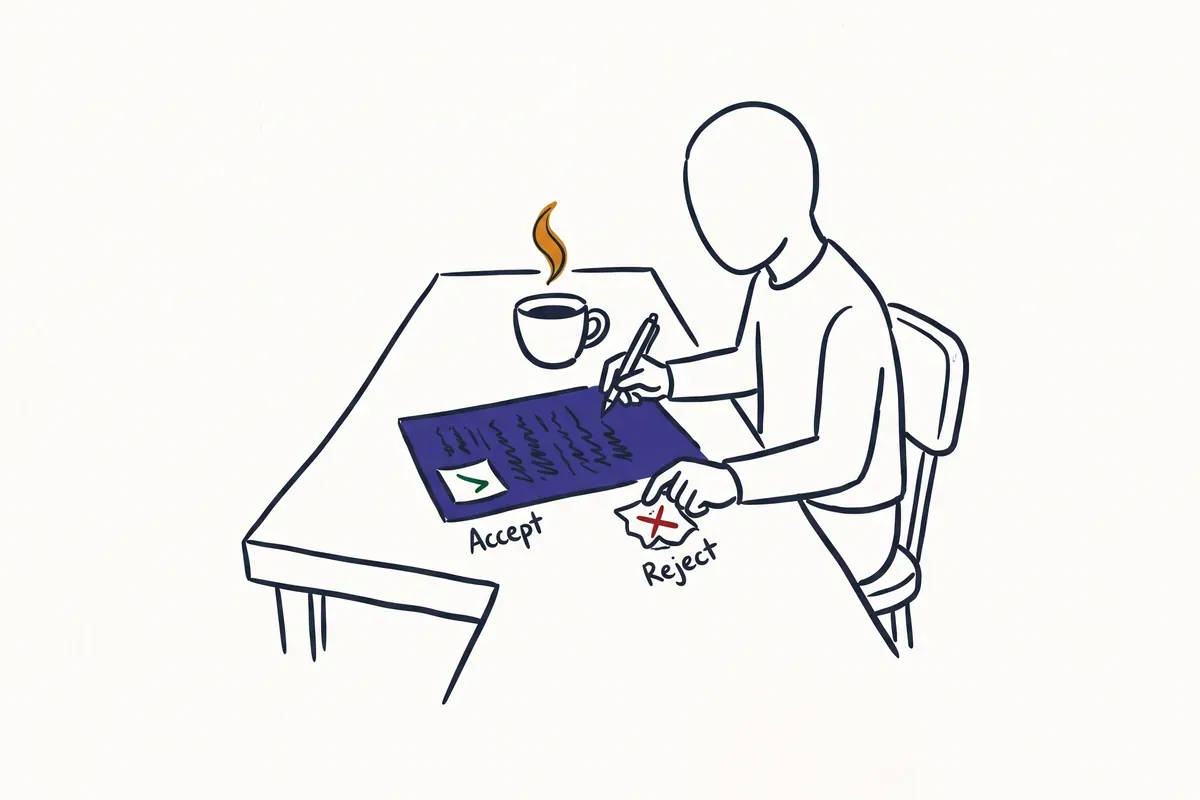
Polishing still flattens style. The Nature Human Behaviour study measured its drop in variance on texts that LLMs had polished and rewritten. Accept edits one at a time, and reject any that swap your phrasing for a smoother, blander line. AI spelling and grammar checks sit at the safe end: the Guild calls them “uniformly considered ethical and professional.”
How do you get AI to write in your own voice?
Getting AI closer to your voice starts with supplying the material only you have: your facts, your stories and samples of your past writing. No study here tested whether that preserves voice, and the linguistic diversity research found LLM rewriting of human text still homogenized style, so plan to edit the result back toward your own phrasing.
- Answer questions about the piece first: what happened, the number involved, what changed, what you'd tell a friend.
- Gather a few pieces of your own writing and note your usual sentence length, how you open and the phrases you repeat.
- Add rules the samples can't show: words you never use, how formal you are with clients, whether you use contractions.
- Paste your notes, rules and samples into the chat and ask for a draft that uses only your facts, with additions in brackets.
- Read the draft against your notes, delete unapproved bracketed additions and put your own words back.
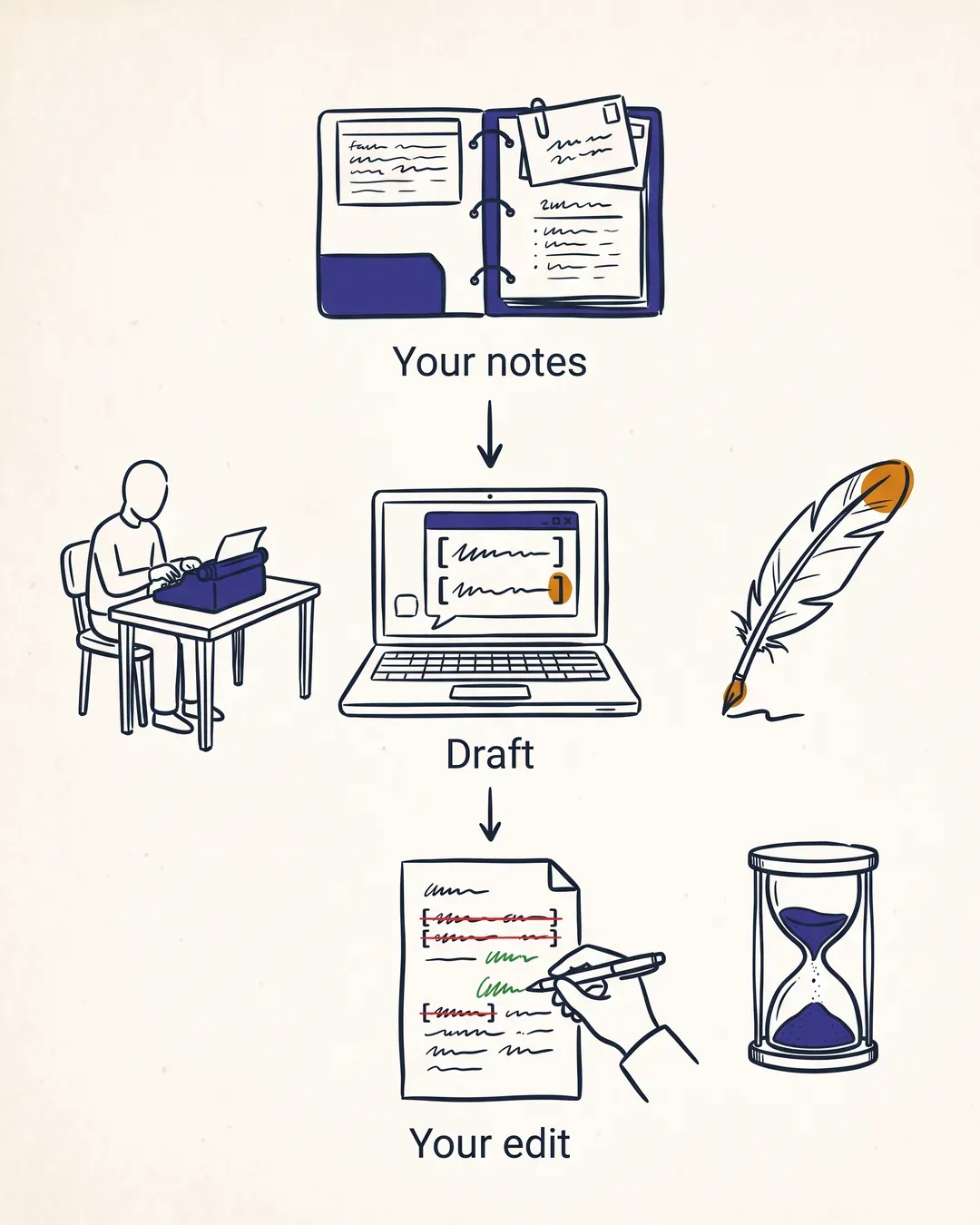
Check two things before you paste anything. First, the Authors Guild warns that by default, material you enter into almost all public chatbots can be used to train those models, and that uploading drafts or interview transcripts “may expose confidential material.” The Guild says most consumer AI tools have a setting to opt out of training, though some make you dig to find it. Second, use only your own samples. The Guild advises against using AI to “copy or mimic the unique styles, voices, or other distinctive attributes of other writers’ works,” which could expose you to claims of unfair competition or copyright infringement.
What about ChatGPT custom instructions for writing style?
OpenAI’s GPT-6.2 announcement doesn’t describe custom instructions or their character limits. Check the limit in your own ChatGPT settings before you paste a long set of style rules there.
What the announcement does claim about the newest models in ChatGPT: GPT-6.2 Astra’s documents “read less like AI,” with writing that is “more direct and specific, with fewer generic takeaways and less filler,” and GPT-6.2 Sol “writes clearly and naturally.” Both are available to Plus, Pro, Enterprise and Edu users in ChatGPT Work. A model that writes with less filler still doesn’t know your stories, so your notes have to supply them.
What should you edit out of an AI draft before you publish it?
Before you publish an AI draft, remove anything you didn’t supply or can’t verify. Then cut the generic phrasing that makes it read like every other post on the topic.
Checklist
- Facts, numbers and quotes you never gave it
- Takeaway sentences that would fit any article on the subject
- Long sentences with clauses stacked inside clauses: split them
- Words the AI upgraded: put your own words back
- Passages that echo someone else's book or article
- Read the draft aloud and run it through a tone checker
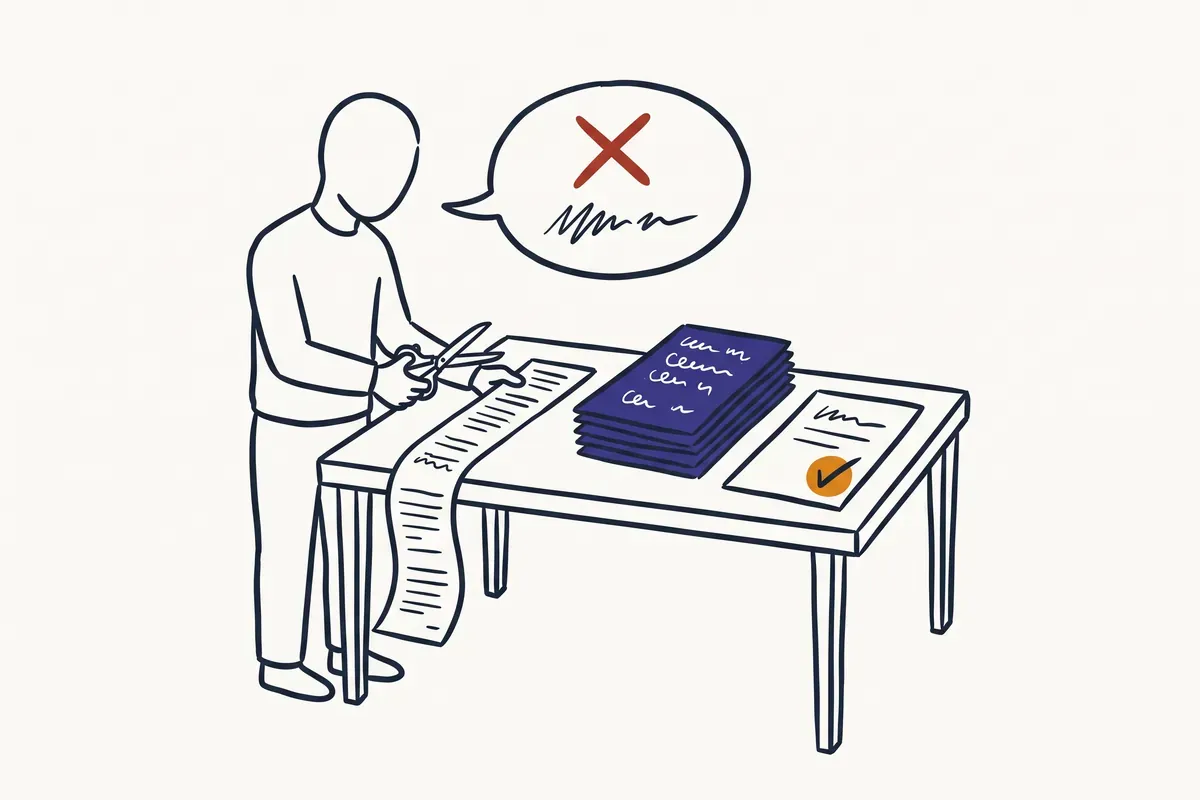
- Facts, numbers and quotes you never gave it. The Authors Guild warns that AI tools “often generate incorrect or fabricated information and present it as factual,” and recommends checking outputs for bias as well.
- Takeaway sentences that would fit any article on the subject. OpenAI names “generic takeaways” and “filler” as weak spots it worked to reduce in its newest model.
- Long sentences with clauses stacked inside clauses. Split them. The profiling preprint found that human writing used simpler syntax.
- Words the AI upgraded. If you wrote “raised my prices” and the draft says “made the strategic decision to adjust my pricing,” put your words back.
- Passages that echo someone else’s book or article. The Guild notes that AI outputs “may include recognizable elements from other authors’ copyright-protected works.”
Then read the draft aloud and paste it into a tone checker, which flags phrases that read as machine-made and compares the draft with your past writing. For a longer list of tells and how to fix each one, see the guide to signs of AI writing.
Will AI detectors flag your writing, and how reliable are they?
AI detectors may flag your writing, and the research on their reliability is indirect: the two preprints below didn’t test commercial detectors, but both show how hard human and machine text can be to separate.
53%
of U.S. adults in Pew's June 2025 survey were not too or not at all confident they could tell whether something was made by AI
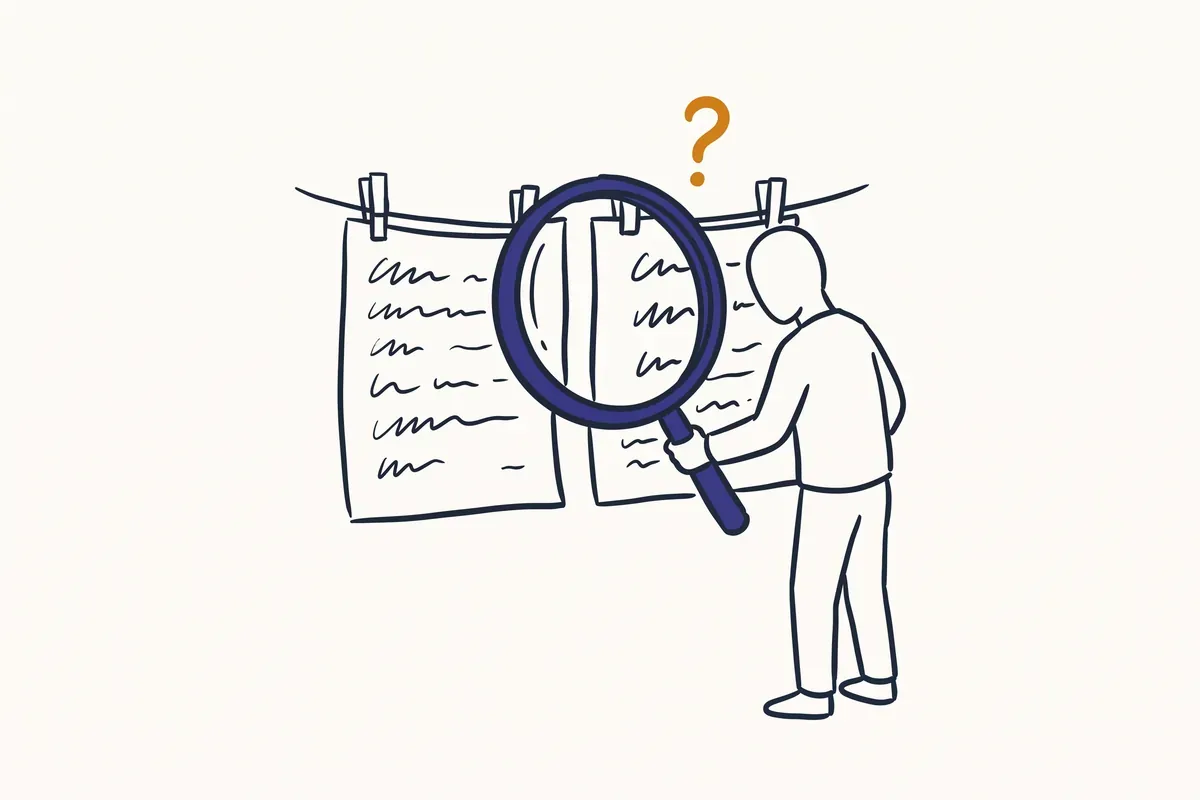
The linguistic profiling preprint opens by noting that LLM text is becoming “increasingly indistinguishable from human-written texts.” Its own classifier tended to mistake long, structurally rich machine text for human writing. The authors “strongly caution against using these features or similar approaches in high-stakes decision-making processes or in any context where they could disadvantage individuals based on their language competency.”
The stylometric footprint preprint matters most if you draft first and edit with AI. Generated text carried a consistent signal, mainly entropy and lexical diversity, but AI-edited text didn’t. Style features were “substantially less effective” at telling AI-edited text apart from human-written text.
People aren’t confident judges either. In Pew’s June 2025 survey of 5,023 U.S. adults, 53% said they were not too or not at all confident they could tell whether something was made by AI or by a person.
Is using AI to write OK, and do readers care?
Using AI to write for research or spelling and grammar checks is considered ethical by the Authors Guild, which draws its line at claiming AI-generated text as your own writing without substantial revision.
The Authors Guild treats AI use as a spectrum. Background uses such as research “present the least” risk, as long as you don’t let the outputs into your work. Copying AI output into text presented as human-authored creates “the greatest risks and ethical concerns.” The Guild calls its advice “guidelines, not rules.”
Readers in the fiction experiment were mixed. Most evaluators found the use of AI in writing stories to be ethical and still a “creative act,” yet they imposed an ownership penalty of at least 25% on writers who received AI ideas. Most also said publications that used AI should disclose it.
The wider public leans wary. Pew found that 53% of Americans expect AI to worsen people’s ability to think creatively, against 16% who expect it to improve. Use at work is still growing: 21% of U.S. workers said at least some of their work was done with AI in a September 2025 survey, up from 16% in 2024.
If an employer, school or publisher is involved, their rules come first. The Guild notes that some publishers are writing AI guidelines separate from your contract and suggests asking your editor.
Do you need to disclose AI use, and can you copyright AI-assisted writing?
You should disclose substantial AI-generated text to readers, and disclose any AI-generated text on a copyright registration. Only the human-written parts of a work can be protected.
Disclosure
The Authors Guild recommends that you “publicly disclose any substantial use of AI to generate text,” arguing that “readers have the right to know whether the books they buy, borrow, and read were written by a human.” It suggests a note in a book’s front matter or at the bottom of an article.
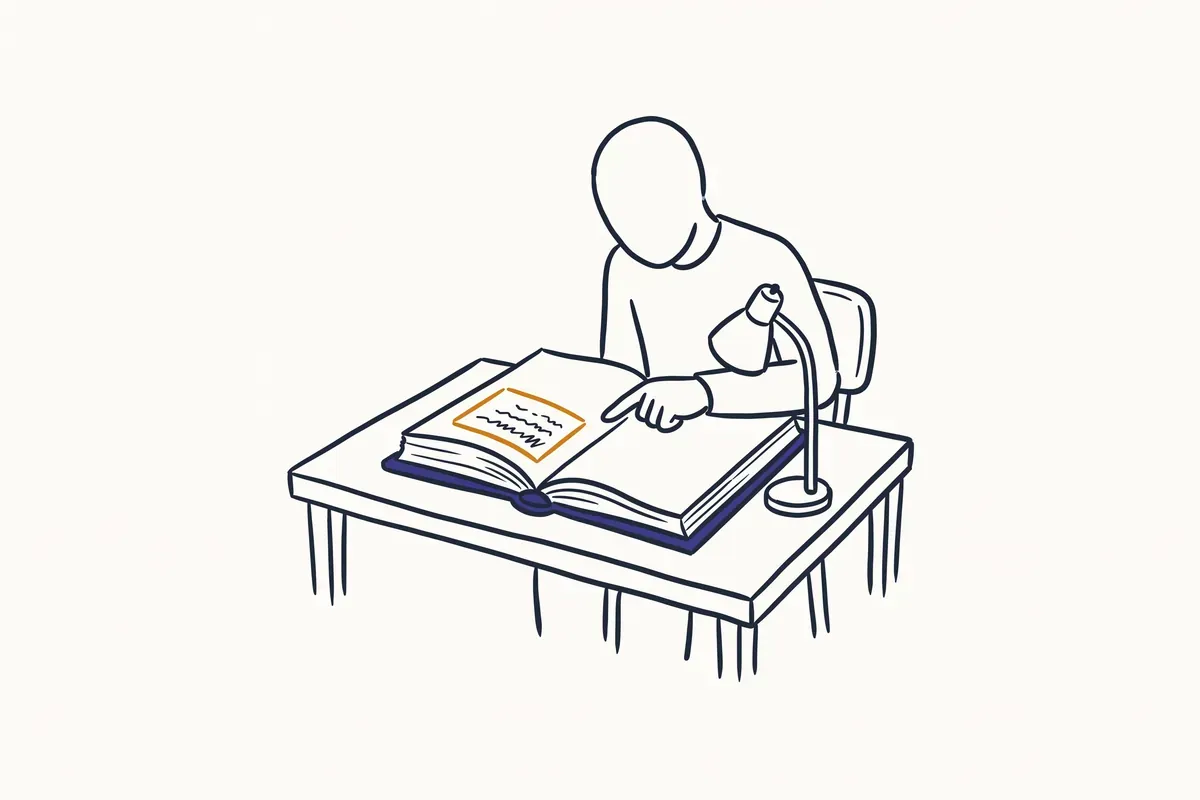
If you hire help, the duty to disclose applies to them too. The Guild advises written contracts with any ghostwriter, co-author or editor that “prohibit the addition of more than de minimis AI-generated text without your written approval and require that they disclose their use of AI.” If you work as a freelance ghostwriter, read your contracts for that kind of clause before you open a chatbot.
Copyright
According to the Authors Guild, “AI-generated text is not copyrightable, because it is not original human authorship.” Any AI-generated text in a work you register must be disclosed and disclaimed on the application, and “knowingly failing to disclose AI-generated text may be deemed fraud on the Copyright Office and invalidate the registration.” If your publisher files the registration for you, tell it which parts came from AI. The Guild’s page is a writers’ organization’s summary, so check the U.S. Copyright Office’s current AI guidance before you file.
How do you turn your own notes into a post with AI?
To turn your notes into a post with AI, give the model the notes, tell it to use only those facts, and edit the draft against them. The example below shows a bare-prompt draft next to one built from notes.
Before
In today's competitive market, knowing your worth is essential. Recently, I made the bold decision to raise my rates, and the results were transformative. Here's what I learned: value yourself, communicate clearly, and trust the process. Growth begins outside your comfort zone.
After
In March I raised my day rate. I lost two clients and kept five. The two who left were the ones who always asked for "one more round." I should have done it a year ago. If you've been sitting on a rate increase, what number are you afraid to say out loud?
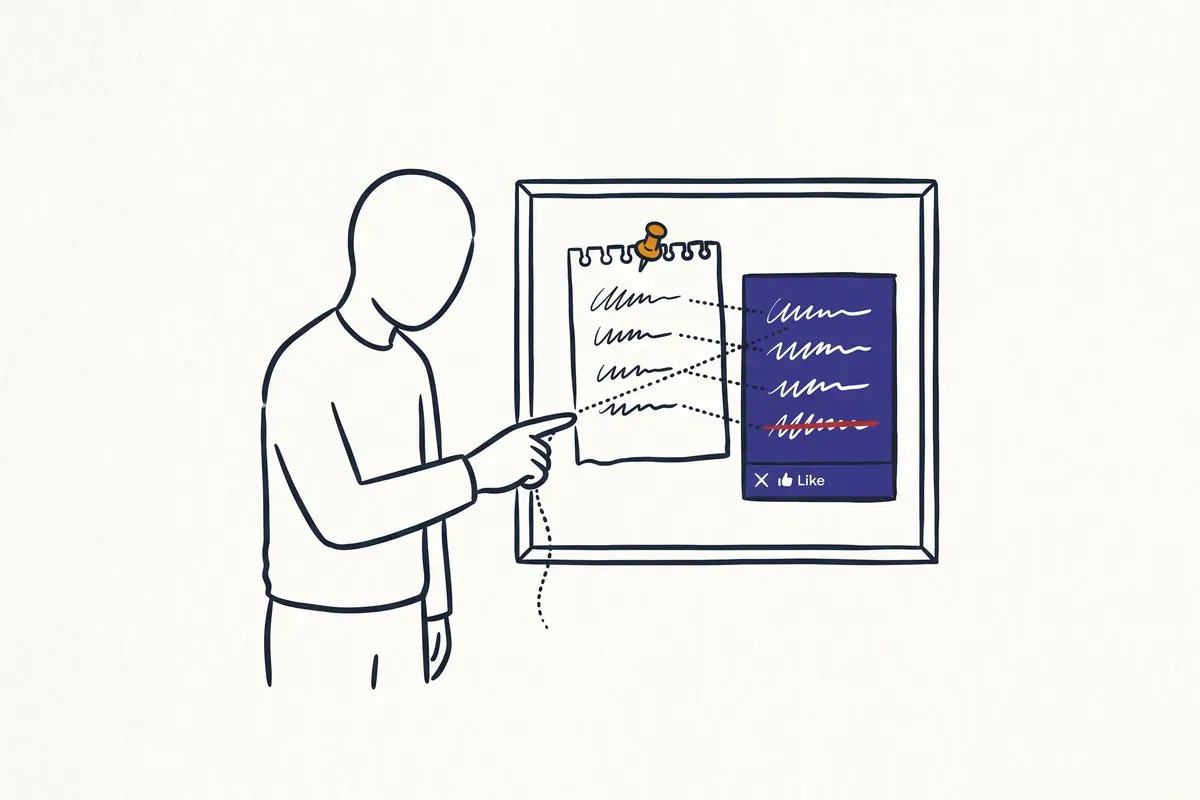
Example: you’re a freelance designer who raised your rates this spring, and you want a short LinkedIn post about it. The details below are made up to show the method.
Your notes (typed from a voice memo):
Raised my day rate in March. Lost two clients, kept five. The two I lost were the ones who always wanted “one more round.” Should’ve done it a year ago.
Before: a draft from a bare prompt (“Write a LinkedIn post about raising my rates”):
In today’s competitive market, knowing your worth is essential. Recently, I made the bold decision to raise my rates, and the results were transformative. Here’s what I learned: value yourself, communicate clearly, and trust the process. Growth begins outside your comfort zone.
The prompt that works from your notes:
Here are my notes and three posts I wrote last year. Write a short LinkedIn post using only facts from the notes. Match the sentence length in my posts. Don’t add a lesson I didn’t state. Put anything you add in [brackets].
After: the draft, edited against your notes:
In March I raised my day rate. I lost two clients and kept five. The two who left were the ones who always asked for “one more round.” I should have done it a year ago. If you’ve been sitting on a rate increase, what number are you afraid to say out loud?
What changed:
- Every fact in the “after” version comes from the notes: March, two clients lost, five kept.
- The “before” version lists lessons the notes never mention. The “after” version keeps the one you stated: you’d waited a year too long.
- Phrases like “transformative” and “knowing your worth” are gone because no fact sits behind them.
- The closing question is yours to keep or cut. If the AI added it in brackets, keep it only if you’d say it to a client.
What to do next
Pick one piece you have to write this week, such as an email or a post, and work through it this way:
- Answer questions about it in your own words before you open any AI tool.
- Collect samples of your own emails or posts and write down the habits you see in them.
- Find your chatbot’s training opt-out setting before you paste in client material or interview transcripts.
- Write or dictate the first version yourself, then ask the AI for edits and accept them one at a time.
- Before you publish, delete any fact you didn’t supply and run the draft through a tone checker.
- If AI generated a substantial part of the text, disclose it in a book’s front matter or at the bottom of an article. Tell your publisher about any AI-generated text before a copyright filing.
Prices and features as of Nov 28, 2026, from each product's own pages.
Frequently asked questions
How do I make AI writing sound human?
Restore what the model smooths away. The Nature Human Behaviour study found that LLMs polishing text emphasize "conformity over individuality". After any AI pass, compare the result with your original and put back the words and details it removed.
Is it OK to use AI to write school essays?
That depends on your school's and teacher's rules, so read the syllabus before you open a chatbot. Use is common: 64% of U.S. teens ages 13 to 17 say they ever use an AI chatbot, and about six-in-ten say students at their school use chatbots to cheat at least somewhat often. Asking for feedback on a draft you wrote is a different act from submitting generated text.
Do AI detectors work?
The research evidence is indirect. One preprint drew on the RAID dataset, a corpus of over 6.2 million text generations built to evaluate detection methods, and its authors say their goal was theory "rather than to create tools for real-world applications." Before you act on a detector score, ask how the tool handles text that a person wrote and AI edited.
Can you copyright AI-generated writing?
Not the AI-generated parts. The Authors Guild says that if a work has enough human authorship to be copyrightable as a whole, the AI-generated text "will not be protected and will be filtered out before any infringement analysis is undertaken."
What should I put in ChatGPT custom instructions for writing style?
Include habits a model can't guess from one prompt: your usual sentence length, words you avoid, how you open and close, and who you usually write for. The closest OpenAI claim is that GPT-6.2 Astra can carry a template's writing style into new slides, which describes slide templates, not prose instructions.
Should I disclose AI use in writing?
By the Authors Guild's standard, yes for substantial AI-generated text, even if you fine-tune a model on your own work. The Guild says you should still consider and disclose your use of AI in that case, because the underlying model was trained on books without authorization.
What are good AI writing tips for beginners?
Treat every output as unchecked. The Authors Guild notes that AI companies call fabricated outputs "hallucinations" and reminds writers that "you are responsible for the manuscript that you deliver."
How do I use ChatGPT to write in my own voice?
Give it samples of your writing, but check your contracts first. The Authors Guild warns that uploading your work to an AI "could infringe your publishing contract giving your publisher exclusive rights," so published book chapters may be off-limits. Draw samples from writing you control outright, such as your own emails or posts.
Sources
- Generative AI enhances individual creativity but reduces the collective diversity of novel content - PMC
- [2312.00506v2] Generative AI enhances individual creativity but reduces the collective diversity of novel content
- Linguistic and Embedding-Based Profiling of Texts Generated by Humans and Large Language Models
- [2502.11266] The Shrinking Landscape of Linguistic Diversity in the Age of Large Language Models
- [2608.27855] AI Writers Have a Consistent Stylometric Footprint, but AI Editors Do Not
- How Americans View AI and Its Impact on Human Abilities, Society | Pew Research Center
- What the data says about Americans’ views of artificial intelligence | Pew Research Center
- AI Best Practices for Authors - The Authors Guild
- OpenAI | Research & Deployment
- Introducing GPT-6.2 Astra and Sol | OpenAI