Free ghostwriting from a human is rare because ghostwriters write for pay; Wikipedia cites an average major-publisher advance of $40,000 to $70,000. Cheaper routes include royalty or credit deals, shorter books from $15,000, and paying for a polish only. Free AI tools can draft, but AI-generated text can't be copyrighted and publishers expect disclosure.
Key takeaways
- Ghostwriters work for pay. Wikipedia cites a 2013 average advance of $40,000 to $70,000 for major-publisher books.
- A royalty share, a "with" credit on the cover or a shorter book can cut the cash you pay up front.
- Ghostwriters at a 2025 conference who use AI said the one thing they don't use it for is writing.
- AI-generated text can't be copyrighted, and you have to disclaim it when you register a book.
- Any writer or editor you hire should agree in writing to disclose their AI use.
Free ghostwriting from a professional human writer is rare, because ghostwriting is a paid job. Vocabulary.com’s definition of a ghostwriter is “a person who writes (books or stories or articles or the like) professionally (for pay).” For little or no cash, your realistic options are a deal that trades part of the fee for royalties or credit, a smaller job such as editing a draft you’ve already written, or a free AI tool.
A free AI tool costs nothing to try, but it comes with limits a paid writer doesn’t. AI-generated text can’t be copyrighted, you must disclaim it if you register the copyright, and the Authors Guild’s guidance says to tell readers about substantial AI use.
| Option | What it costs | What to know |
|---|---|---|
| Ghostwriter for a major publisher | Average advance “between $40,000 and $70,000” (2013) | Figure from literary agent Madeleine Morel, cited in Wikipedia’s ghostwriter entry |
| Short book, 30,000–42,000 words | Projects “start at a cost of $15,000” | Quote from the firm Manhattan Literary, on Wikipedia |
| Celebrity memoir | About $500,000 (Hillary Clinton’s collaborator, 2001) | Described as “near the top of flat fees paid to collaborators” |
| Royalty or credit deal | Less cash up front | Credit is sometimes given “in lieu of pay” |
| Free AI tool | $0 on a free tier | AI-generated text is not copyrightable, per the Authors Guild |
Is free ghostwriting real?
Every way of paying a ghostwriter that Wikipedia lists involves money or credit, and a full book takes months of work. Wikipedia says ghostwriters often spend “from several months to a full year” researching, writing and editing a client’s book. They’re paid by the hour, word or page, as a flat fee, as a percentage of royalties, or some mix of these.
Shared credit can lower the fee. The client’s name goes on the cover as “by” and the writer’s name goes underneath as “with.” Wikipedia notes that this credit is sometimes offered in place of pay or to lower the fee, because a byline has value to the writer.
Why do professional ghostwriters charge?
A ghostwriter charges because the job is months of interviews and drafting in a voice that isn’t their own. Wikipedia says a ghostwriter is expected to “closely replicate the writing style and voice” of the credited author. At the 2025 Gathering of the Ghosts conference, ghostwriters called capturing the author’s voice a ghostwriter’s “job one”. Some said they spend hours talking with an author before the on-the-record interviews even start. Almost all record their interviews, and many use two devices to do it.
How much does a ghostwriter cost?
Book fees run from five figures to six. Wikipedia gives these benchmarks:
15,000 USD
Starting price for a shorter book of 30,000 to 42,000 words (Manhattan Literary)
Source: en.wikipedia.org, as of Nov 29, 2026
40,000 USD
Low end of the average $40,000 to $70,000 advance for major-publisher work (Madeleine Morel, 2013)
Source: en.wikipedia.org, as of Nov 29, 2026
500,000 USD
About what the writer of Hillary Clinton's memoir was paid, out of an $8 million advance
Source: en.wikipedia.org, as of Nov 29, 2026
- An average advance of $40,000 to $70,000 for major-publisher work, according to agent Madeleine Morel in 2013.
- A starting price of $15,000 for shorter books of 30,000 to 42,000 words, from Manhattan Literary.
- About $500,000 for the writer of Hillary Clinton’s memoir, out of an $8 million advance.
Wikipedia says the shorter format has brought the starting price for a book writer “down by about half”, but only if a short book fits what you’re trying to do.
What are the low-cost alternatives to a full-fee ghostwriter?
You can cut the cost by changing how the writer is paid or by shrinking the job. Each option below trades something for a lower fee.
Royalty share or deferred pay
A royalty deal swaps cash now for a share of sales later. Wikipedia lists a percentage of royalties, alone or in combination, as a standard way to pay. Put the split in writing, along with the credit line and the confidentiality terms. Wikipedia notes that a confidentiality clause is usual in these contracts.
A shorter book
Wikipedia says the shorter format makes a project “potentially more affordable” for the client. If your goal is credibility in your field, a short book may do the job. Wikipedia describes consultants who pay for a book to “establish or enhance credibility” as experts.
Editing instead of full writing
If you can write a rough draft yourself, you can hire someone to polish it instead of writing it from scratch. Wikipedia says that sometimes a ghostwriter is called in “just to clean up, edit, and polish a rough draft.” A smaller job usually means a smaller bill.
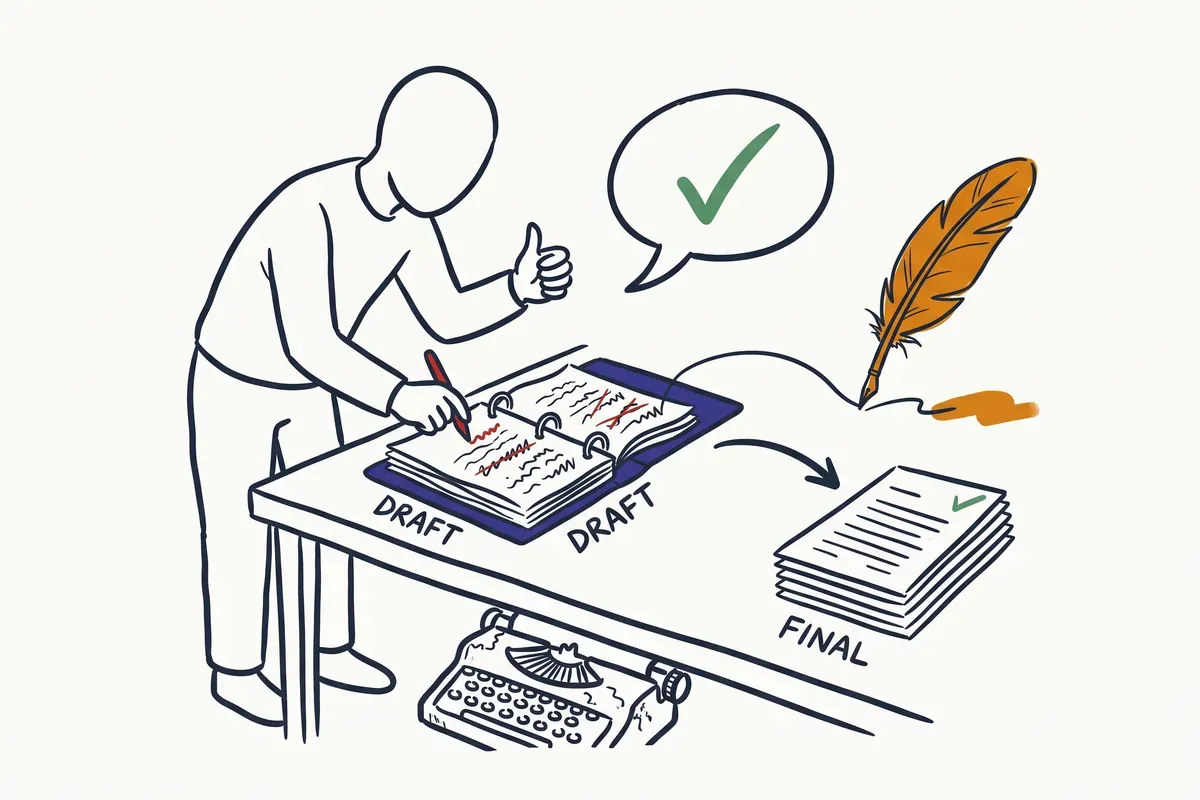
A cheap ghostwriter on Fiverr or a similar marketplace
When you hire a low-cost writer, one risk to check is hidden AI use. The Authors Guild recommends a written contract with anyone who works on your manuscript that bans “more than de minimis AI-generated text” without your written approval and requires the person to disclose any AI use.
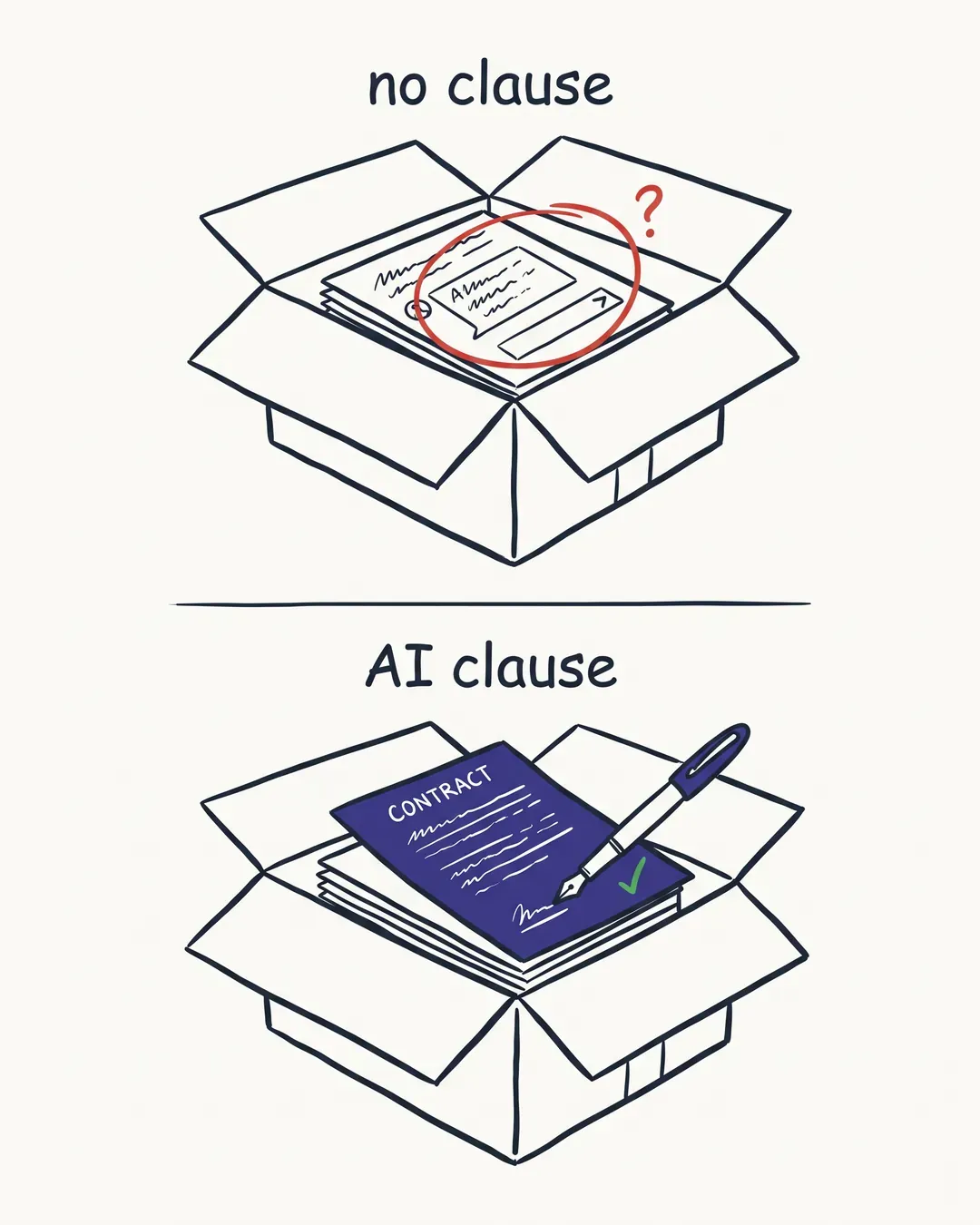
The Shy Girl case shows why. Hachette canceled the U.S. release of the novel after allegations that it was AI-generated. The author told the New York Times that she didn’t use AI herself but that someone she hired to edit the book did.
Example: a clause to add to a contract with a freelancer, based on the Authors Guild’s recommendation (get a lawyer to review it): “Writer will not add more than de minimis AI-generated text to the manuscript without Author’s written approval, and will tell Author in writing which AI tools were used and for what.”
Is there a free AI ghostwriter, and what can it actually do?
Yes, free AI tools can draft text from your notes, but the ghostwriters who spoke on AI panels at a 2025 conference said they don’t use it to write. A study reported by ASJA found that sixty-eight percent of ghostwriters use AI at least some of the time, compared with 61% of writers overall. Panelists suggested that newcomers start with tasks such as transcribing interviews, research, or brainstorming titles. The panelists who use AI said the one thing they don’t use it for is writing. Co-author Katia Walsh said AI prose “is incredibly bland, uses cliches, is full of corporate jargon.”
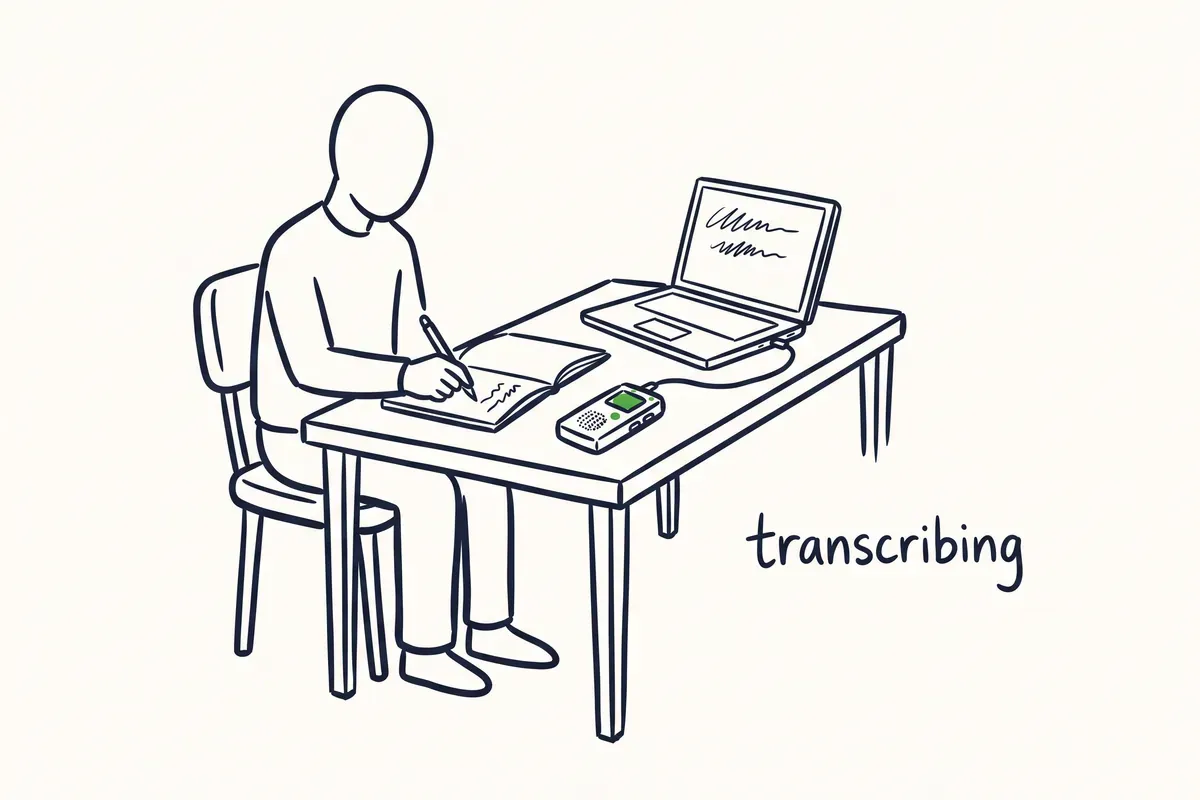
Before you paste drafts into a free chatbot such as ChatGPT or Claude, know two risks the Authors Guild flags:
- AI tools often generate incorrect or fabricated information, so check every fact yourself.
- By default, what you type into almost all public chatbots can be used to train the models. Most consumer tools have an opt-out setting, but you may have to dig to find it.
Tools that interview you before drafting
Some AI tools ask you questions before they write anything, so the draft is built from your own material. The free AI ghostwriter on this site interviews you first and then drafts a post, newsletter or story, with no sign-up. mull has a free plan of 3 posts in total with no card required. It asks one question at a time, shows you every name, number and quote it heard before writing, and then marks any sentence in the draft that your confirmed facts don’t support.
3 posts
mull's free plan, in total, with no card required
Before
Leadership is a journey that requires resilience, adaptability and vision.
After
In March, two of my four engineers quit in the same week, and I had to choose which customer to call first.
Whichever tool you use, rework the output. The Authors Guild advises that ideas or facts taken from AI output “should be rewritten in your own voice.”
Example, for a founder writing about a hard quarter:
- Before (AI draft): “Leadership is a journey that requires resilience, adaptability and vision.”
- After (your rewrite): “In March, two of my four engineers quit in the same week, and I had to choose which customer to call first.”
The rewrite has a month, a number and a decision that only you could supply. Then paste the draft into a tone checker to find phrases that still read as machine-made.
Do you own the copyright of an AI-written book?
You don’t own a copyright in text an AI generated, because U.S. copyright protects only human authorship. The Authors Guild says federal courts and the U.S. Copyright Office have consistently found that machine-generated material lacks human authorship. Book contracts raise a related issue: the Guild says an entirely AI-generated plotline or wholesale adoption of AI-generated characters may violate the originality warranty in a book contract.
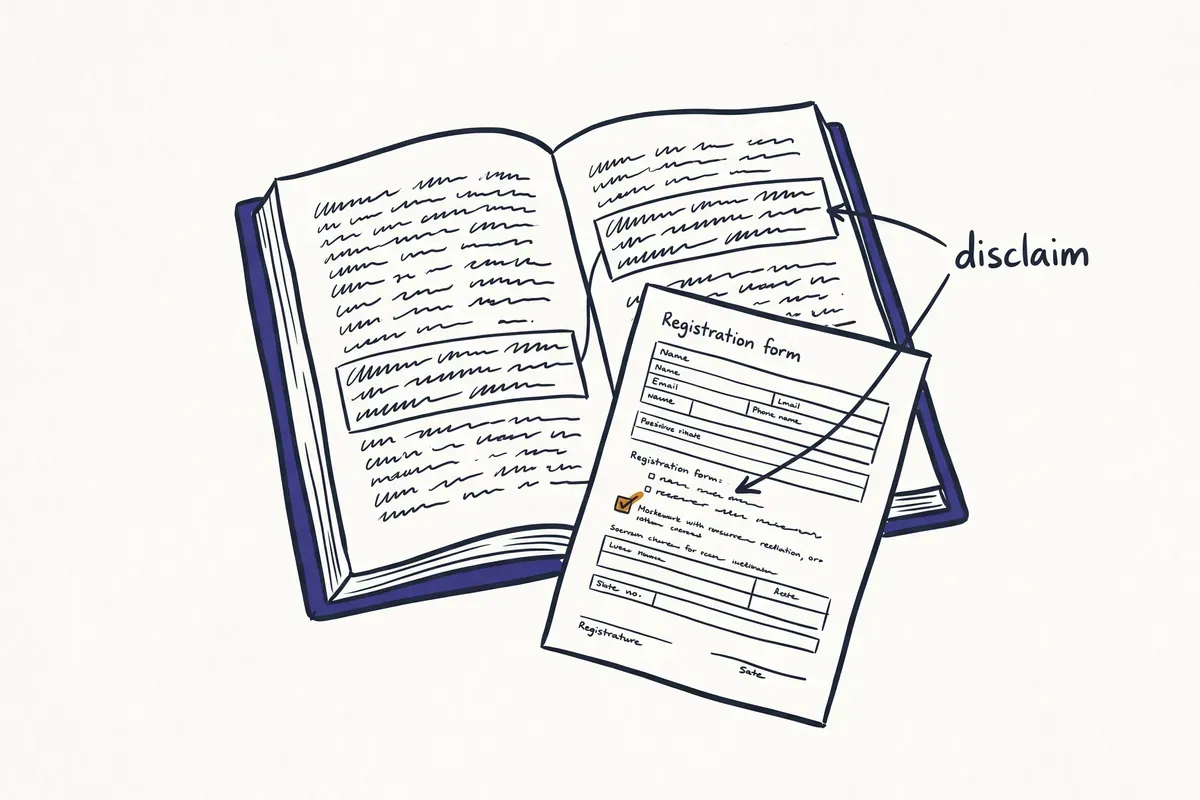
The Guild’s best practices spell out what this means when you register a book:
- You must disclose and disclaim AI-generated text in your copyright application.
- If the work has enough human authorship, the book as a whole can be registered, but the AI passages stay unprotected.
- Knowingly hiding AI text “may be deemed fraud on the Copyright Office and invalidate the registration.”
Is using AI for ghostwriting legal, and do you have to disclose it?
The Authors Guild’s update names copyright registration and book contracts among the most important legal considerations for AI use. The update notes that book contracts often include warranties that the manuscript is original. If you include AI text without disclosing it, you may be in breach, and in some cases the publisher can cancel the deal.
91%
of authors in an Authors Guild survey believe readers should know when AI created all or part of a work
Disclosure works differently for human ghostwriting than for AI. A human ghostwriter usually stays hidden. Wikipedia notes that a confidentiality clause is usual, and the writer may sign a nondisclosure agreement. For AI, the Authors Guild recommends that you publicly disclose any substantial use of AI to generate text, for example in a book’s front matter. Its member survey found that 91% of authors believe readers should know when AI created all or part of a work.
The Guild calls its advice “guidelines, not rules.” It first published them in February 2024 and has updated them since, so read the current version before you sign anything.
How do you choose between free AI, a cheap freelancer and a pro?
Pick based on where the writing will end up and how much of the material you can supply yourself.
| Your situation | Lowest-cost fit | Why |
|---|---|---|
| Short posts or newsletters about your own work | A free AI tool that interviews you | No publisher warranty involved, and you supply the facts |
| You’ve written a rough book draft | An editor or ghostwriter hired just to polish | Wikipedia lists polishing a rough draft as a common ghostwriting job |
| A writer who wants a byline | A “with” credit or a royalty share | Credit is sometimes given in place of pay |
| A full book under a publishing contract | A paid professional | Undisclosed AI text can breach the originality warranty |
What to do next
The cheapest safe route depends on where your writing will be published, so start there and work through the steps below.
- Decide where the writing will go: a publisher's contract brings an originality warranty, a blog post doesn't.
- For a human writer, ask about a royalty share or a "with" credit before the cash fee, and get a quote for a shorter book.
- Using AI? Turn off training on your inputs, then collect your own stories before anything is drafted.
- Fact-check every name, number and claim in anything AI produces.
- Put an AI clause in every contract with a freelancer or editor.
- Keep a list of every passage AI generated, to disclaim it and tell your publisher.
This guide was written by AI and published after automated checks and an AI fact-check, without line-by-line human review. It’s general information, not legal advice. For a contract or copyright filing, talk to a lawyer.
Frequently asked questions
Is there a free AI ghostwriter that writes well?
Free AI tools can draft, but the result depends on what you give them. Ghostwriter and speechwriter Michael Long told a 2025 conference that AI is "a brilliant literalist" and that "everything you leave out will be filled in with blandness." His tip for cutting down on made-up facts is to ask "Are you sure" and to ask for links to sources.
Can a ghostwriter work for royalties only?
Wikipedia lists "a percentage of the royalties of the sales" as one way ghostwriters get paid, either alone or alongside other payment. If you go this way, put the split in a contract. Wikipedia also notes that "legal disputes have arisen when musical ghostwriters have tried to claim royalties when an allegedly ghostwritten song becomes a money-making hit."
Is a cheap ghostwriter on Fiverr or a similar marketplace safe to hire?
Before you pay, ask how the writer uses AI. The AI Guidelines for Ghostwriting, published by a working group that Gotham Ghostwriters convened, set out three levels of disclosure: admin uses such as transcription, research and analysis, and generative uses such as drafting text. ASJA says the document can serve as a contract conversation starter for agreeing which AI uses are acceptable on a project.
Do you own the copyright of an AI-written book?
You own the parts you wrote yourself, if there's enough human authorship. The AI-generated text gets no protection. The Authors Guild says the AI parts "will be filtered out before any infringement analysis is undertaken." If your publisher registers the book, it needs to know which parts are AI-generated.
Is using AI for ghostwriting legal?
The Authors Guild flags copyright registration and contract warranties as major risks. Another applies if you ask AI to imitate a fellow writer: the Guild warns that mimicking another writer's unique voice or style "could subject you to claims of unfair competition or copyright infringement."
How much does a ghostwriter cost compared with other writers?
Wikipedia says ghostwriters may charge by the hour, word or page, as a flat fee, or as a royalty share. It compares book fees with film, where the Writers Guild's Minimum Basic Agreement sets a starting price of $37,073 for a non-original screenplay with no treatment.
Can I get a free ghostwriter for my book by using AI for the whole manuscript?
Few professional writers do this. In an Authors Guild survey of more than 1,700 members, only around 7% of writers who use generative AI said they use it to generate the text of their work. The Guild also reports that writers find it easier to start from scratch than to fix AI-generated text.
Sources
- Ghostwriter - Wikipedia
- Ghostwriter - Definition, Meaning & Synonyms | Vocabulary.com
- AI Best Practices for Authors - The Authors Guild
- Authors Guild Updates AI Best Practices for Writers - The Authors Guild
- AI Is Changing Ghostwriting, and Other Top Takeaways from 2025 Gathering of the Ghosts - American Society of Journalists and Authors
- ASJA Members Help Develop AI Guidelines for Ghostwriting - American Society of Journalists and Authors
- Authors Guild Issues Contract Clause Changes to Account for AI
- Shy Girl and the AI Authorship Question: Guidance from the Authors Guild - The Authors Guild