Under $1,000, ghostwriting pays for short pieces such as blog posts, op-eds or essays, where Reedsy's guide price is $500 to $2,000. It might also cover a proposal at the bottom of Reedsy's $750 to $10,000 range. It won't pay for a full professional book: Reedsy's data puts nonfiction books at $18,000 to $50,000.
Key takeaways
- Reedsy's guide price for short-form ghostwriting (blog posts, op-eds, essays) is $500 to $2,000, so $1,000 fits the lower half of that range.
- Full books cost far more: Reedsy's 2026 data puts nonfiction at $18,000 to $50,000 and novels at $3,500 to $18,000.
- At Reedsy's average of $450 per 1,000 words, $1,000 pays for a little over 2,000 words of book ghostwriting.
- Book ghostwriting rates on Reedsy run $0.10 to $3 per word, $35 to $200+ per hour, or $1,000 to $100,000 per project.
- Before you pay, read the writer's samples in your genre and get to know them on a video call, as Reedsy's hiring tips suggest.
Affordable ghostwriting services under $1,000 do exist, but that money buys short work: blog posts, op-eds or essays, and possibly a book proposal at the very bottom of the price range. It won’t buy a full book from a professional. Reedsy’s 2026 pricing data puts nonfiction books at $18,000 to $50,000 and novels at $3,500 to $18,000.
So the real decision is which part of the work your $1,000 should pay for. The table shows where common projects land.
| Project | Typical price | Fits under $1,000? |
|---|---|---|
| Short-form (blog posts, op-eds, essays) | $500–$2,000 guide price | Yes, in the lower half of the range |
| Book proposal | $750–$10,000 | Only at the very bottom |
| Picture book | $1,500–$5,000 | No |
| Novel | $3,500–$18,000 | No |
| Nonfiction book | $18,000–$50,000 | No |
| Book ghostwriting, priced by length | $450 per 1,000 words on average | Only about 2,000 words |
| Copyedit of a 75,000-word nonfiction book | Just under $2,000 | No |
What does “affordable” mean in ghostwriting?
In ghostwriting, “affordable” means short-form work or one slice of a book, because full manuscripts cost thousands of dollars. Across 2,006 collaborations in 2025, Reedsy’s marketplace averaged $450 per 1,000 words for book ghostwriting. Reedsy’s cost guide gives the full range as $1,000 to $100,000 per project.
- Book proposal1,000 USD, from
- Picture book1,500 USD, from
- Novel3,500 USD, from
- Nonfiction book18,000 USD, from
Source: reedsy.com, as of Nov 28, 2026
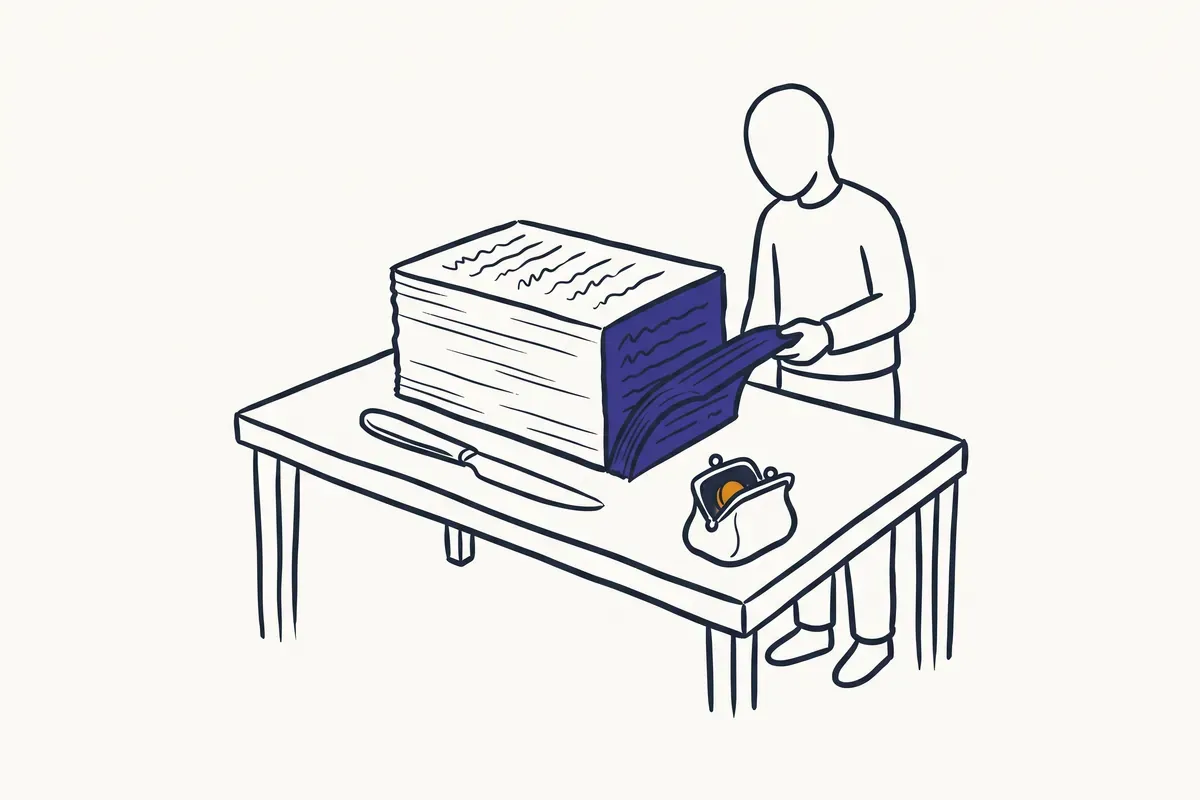
If you’re still working out how much does it cost to hire a ghostwriter for a whole manuscript, plan in the thousands, not the hundreds. Reedsy’s guide also warns that you are quite unlikely to earn back a ghostwriter’s fee from book sales alone. It suggests treating the fee as an investment toward a goal.
What can you get from affordable ghostwriting services for under $1,000?
The best fit for $1,000 is short-form writing. On Reedsy, short-form ghostwriting for blog posts, op-eds or essays has a guide price of $500 to $2,000, based on 46 projects in 2026. That includes discovery conversations about your voice and rounds of drafts, as negotiated. Reedsy’s FAQ adds that you can also hire ghostwriters for speeches and other non-book work.

A book proposal can fit only at the low end. Reedsy’s services page lists proposals from $750 to $10,000 across 59 projects. Its cost guide says a typical proposal runs 5,000 to 10,000 words, with a synopsis, chapter breakdowns, market research and a sample chapter, at $1,000 to $10,000.
Other options appear in Reedsy’s guides without a published price, so ask for a quote before you assume they fit:
- An outline and sample chapter. Even for novels, Reedsy says it’s common to hire a ghost for a book outline and sample chapter to test their skills before you commit to the full book.
- A book coach instead of a ghost. If you can spare the hours, Reedsy suggests hiring a book coach to guide you through writing it yourself.
For short jobs such as social media posts, speechwriting, press releases and query letters, the Writing section of the EFA’s 2026 Rate Chart lists median rate ranges you can check before you hire.
A full copyedit can also run past $1,000: Reedsy puts a copyedit of a 75,000-word nonfiction book at just shy of $2,000.
Can you get a book ghostwritten for $1,000?
You almost never get a full book ghostwritten for $1,000. Reedsy’s lowest per-project figure is $1,000, and even picture books start at $1,500. At the $450-per-1,000-words average, $1,000 pays for a little over 2,000 words. At the very bottom of the per-word range, $0.10, it pays for 10,000 words, which is still far short of a full-length book.
450 USD
Average paid per 1,000 words for book ghostwriting on Reedsy, across 2,006 collaborations in 2025
Source: reedsy.com, as of Nov 28, 2026
1,000 USD
Lowest per-project figure Reedsy reports for book ghostwriting
Source: reedsy.com, as of Nov 28, 2026
1,500 USD
Where picture book ghostwriting starts
Source: reedsy.com, as of Nov 28, 2026
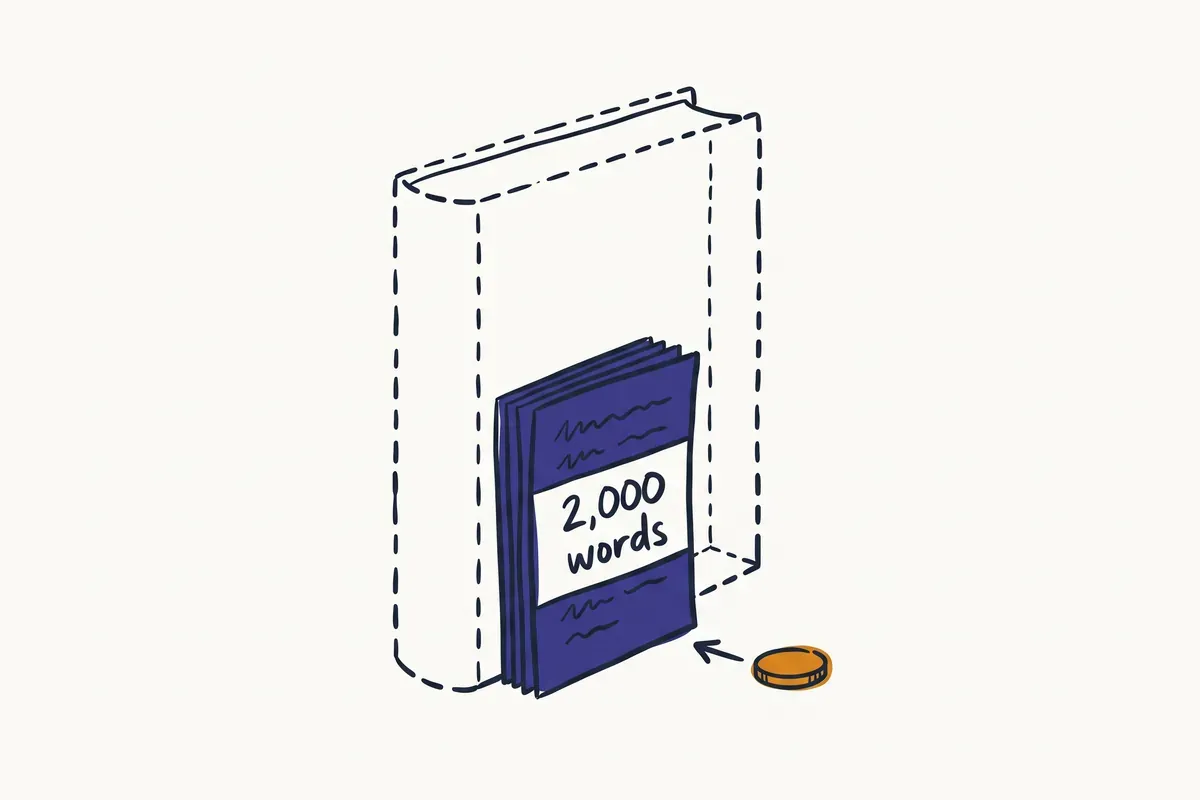
So a cheap ghostwriter for a book, at under $1,000, can’t write the whole manuscript at any rate Reedsy reports.
How are ghostwriters paid: per word, per hour or per project?
Ghostwriters charge per word, per hour or a flat project fee, and full books almost always get a flat fee. Reedsy’s data puts book ghostwriting at $0.10 to $3 per word, $35 to $200+ per hour, or $1,000 to $100,000 per project.
For full projects, the same guide says most professionals charge a flat fee that covers research, writing and revision, then bill hourly for extra work. Per-word or hourly billing is unlikely unless the job is a short book or revising or finishing part of a manuscript.
How do writers turn an hourly rate into a quote?
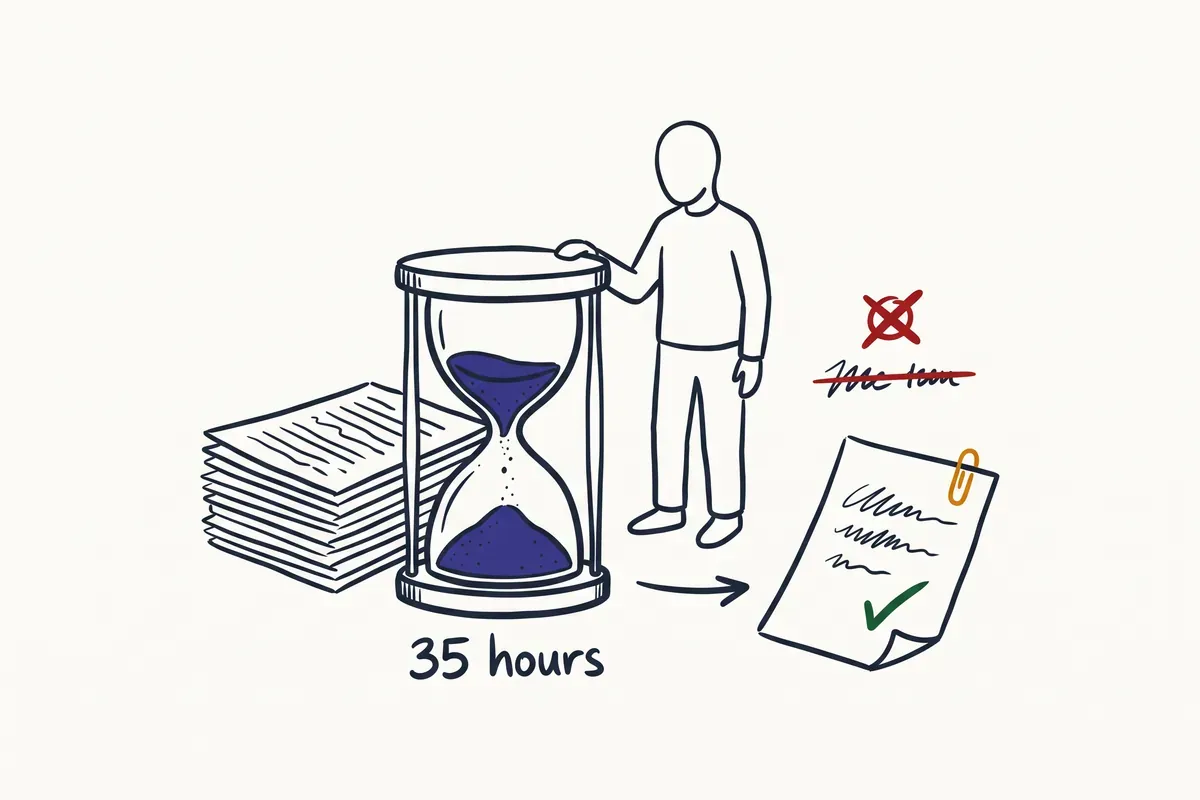
One writer in Reedsy’s guide recommends starting from an hourly rate and converting it into a fee based on word or page count. Their example: $75 per hour, at about 35 hours per 10,000 words, works out to $2,625 per 10,000 words. Use the same math in reverse to sanity-check a quote.
$2,625
per 10,000 words: $75 an hour at about 35 hours per 10,000 words, one writer's example in Reedsy's guide
What do the EFA chart and BLS pay data tell you?
The EFA chart and BLS wage data give you independent benchmarks beyond what marketplaces publish. The EFA’s 2026 Rate Chart shows median rate ranges from a survey of over 1,100 members, more than a third of the association, run from November 2025 to mid-January 2026. The EFA neither sets rates nor advises members on them. Its site has a rate estimator and a converter between per-hour, per-page and per-word rates.
The U.S. Bureau of Labor Statistics reports a median annual wage of $76,910 for writers and authors in May 2025, and notes that many are self-employed. If a quote for months of work looks far too low to support a working writer, keep that median in mind before you call it a bargain.
Where can you find affordable ghostwriters?
You can request quotes from vetted ghostwriters on Reedsy, or browse the Authors Guild Marketplace of book coaches, editors and writers who are Guild members. Reedsy sells ghostwriting itself, so compare several quotes before you treat any one of its figures as the going rate.
What does a Reedsy ghostwriter cost, and how does it work?
Reedsy lets professionals set their own fees, so your price comes from quotes. With a free account you can request quotes from up to five ghostwriters, who look at your sample pages before quoting. Reedsy lists 120+ short-form ghostwriters and 150+ proposal ghostwriters.

Reedsy says it vets each ghostwriter by hand and accepts the top 3% of applicants, and has matched ghostwriters with over 2,000 authors since 2016. Its homepage says projects are covered by a project protection guarantee, and the platform generates a contract once you agree on terms.
What is the Authors Guild Marketplace?
The Authors Guild Marketplace is a directory of experienced book coaches, editors and writers, all members of the Authors Guild.
Is a cheap ghostwriter worth it, and how do you vet one?
A cheap ghostwriter is only worth hiring after you’ve matched the scope to the price and checked their work. Reedsy’s tips for choosing a ghostwriter start with filtering by genre, because a successful memoir ghostwriter might not be an expert in children’s books. Then read their writing samples and get to know them on a video call before you sign anything.
Checklist
- Filter by genre: a memoir ghostwriter might not be an expert in children's books
- Read their writing samples
- Get to know them on a video call before you sign anything
- Search their name plus "scam," "review" or "complaint"
- Pay for a small piece first, such as an outline and sample chapter
- Ask how they'll capture your voice
- Confirm they can meet your timeline
- Budget your own time for interviews and reviews

More checks:
- Search the writer’s name plus “scam,” “review” or “complaint.” The FTC tells job seekers to run this search on an employer before accepting an offer, and the same search works on a writer you plan to hire. The FTC notes that finding no complaints doesn’t guarantee honesty.
- Pay for a small piece first. Reedsy says hiring a ghost for an outline and sample chapter is a common way to test their skills.
- Ask how they’ll capture your voice. One ghostwriter in Reedsy’s guide records and transcribes every interview, then edits large portions of the transcripts into the manuscript.
- Confirm they can meet your timeline, because Reedsy notes that ghostwriters can be booked months in advance.
- Budget your own time as well. One ghostwriter in Reedsy’s guide says the most common reason projects fail is that the author didn’t understand how much time they would have to give. He sends 3,000 to 5,000 words at a time and meets once or twice a week to review them.
What red flags should you watch for?
Be wary of any promise of a full professional book for a few hundred dollars: Reedsy’s lowest per-project figure for book ghostwriting is $1,000, and even picture books start at $1,500. If you’re the writer rather than the client, the FTC flags two more scams:
- Overpayment requests. The FTC says to walk away from anyone who sends a check and asks you to send part of the money back, because the check will bounce.
- Pay-to-work offers. Honest employers never ask you to pay to get a job.
If you’ve already paid a scammer, the FTC says to contact the company you used to send the money right away and ask for a reversal, then report it at ReportFraud.ftc.gov. The Authors Guild also publishes a guide to avoiding publishing scams.
Can you lower the cost by doing part of the work yourself?
Doing part of the work yourself can lower the cost in some cases, but Reedsy warns that starting from a messy partial draft won’t necessarily lower the budget, because reworking existing material can take as long as writing from scratch.
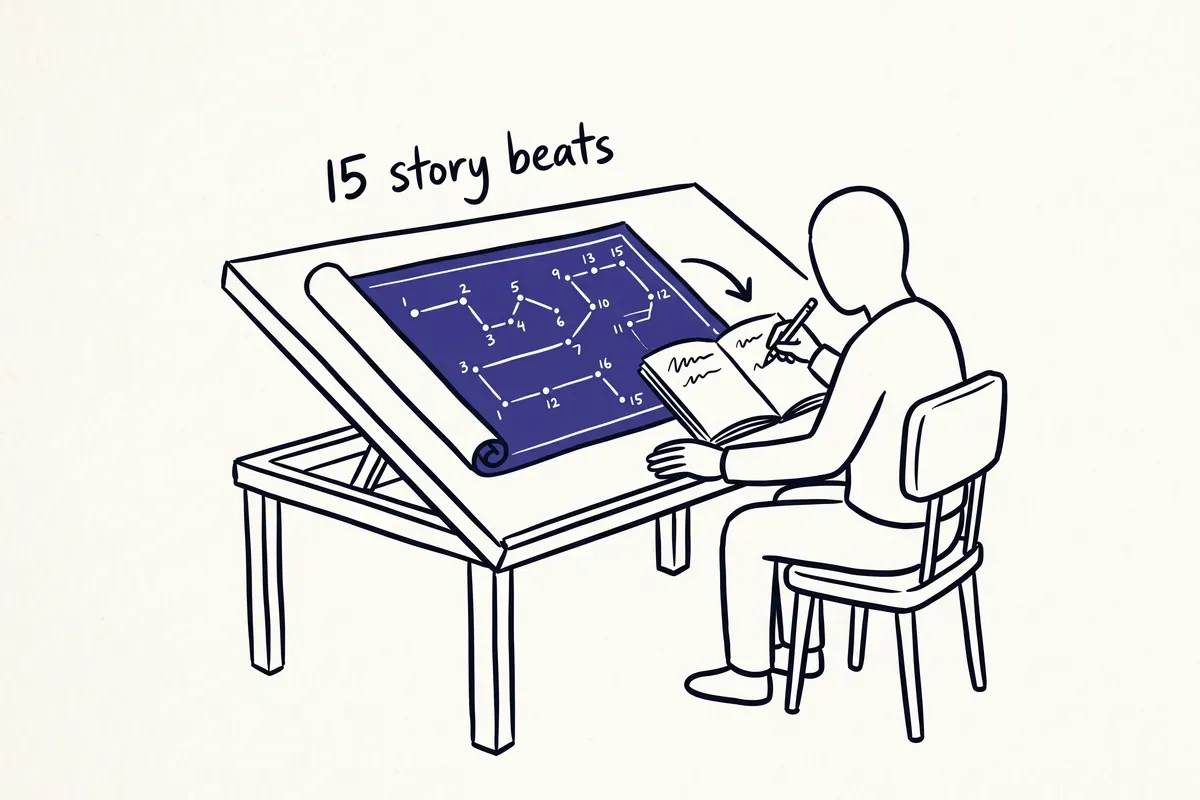
One route that does aim to save money is paying for a blueprint and writing the book yourself. One writer in Reedsy’s guide offers a synopsis of about 35 pages based on 15 story beats, after which the client can write the book herself or hand it to the ghostwriter. That writer says the synopsis saves time and ultimately saves the client money.
If you hire a ghostwriter who works from interviews, budget your own time for them. One ghostwriter quoted by Reedsy uses AI to transcribe interviews but checks every transcript a second time, because AI can’t manage every accent.
For short posts, another option is an AI tool that drafts from your own answers. mull is one tool of this kind, which drafts posts from an interview. It asks you one question at a time, quoting your words back and asking for the missing moment or number. Before writing, it shows you every name, number, date and quote it heard so you can correct them. It then drafts in your voice and checks the draft against the facts you confirmed. Plans are Free (3 posts in total, no card), Starter at $19 a month for 10 posts, and Pro at $39 a month for 30 posts.
What should a ghostwriting contract under $1,000 include?
A ghostwriting contract under $1,000 should set out the scope, revisions, payment schedule and credit in writing, even for a small job. Payment stages are negotiable. Reedsy says you might pay by chapter, after half the draft, or on a completed first draft.
Put these in writing:
- Deliverables: word count, format and due dates for each piece.
- Revisions: how many rounds are included and the hourly rate for extra work.
- Milestones: which payment is due when, tied to work you’ve approved.
- Credit: whether the writer stays uncredited or is named. Reedsy explains that a co-author’s name goes on the cover while a ghostwriter’s doesn’t.
- Payment model: a flat fee rather than royalties, since ghostwriters typically receive an upfront payment.
- Proposal credit: Reedsy says that if a proposal doesn’t land a publishing deal and you pay the same ghost to write the full book yourself, the work already paid for the proposal is deducted from the final fee. Write that into the contract if it applies.
If you’re the writer, Authors Guild membership includes contract reviews and legal advice.
Example: how do you match a $1,000 budget to a realistic project?
Example: you run a small consulting business, want a 40,000-word business book, and have $1,000 to spend.
Before
Ghostwrite my 40,000-word book. Budget: $1,000.
After
Write one sample chapter of about 2,000 words for my business book. Budget: $1,000, paid half when the first draft is approved and half on the final version.
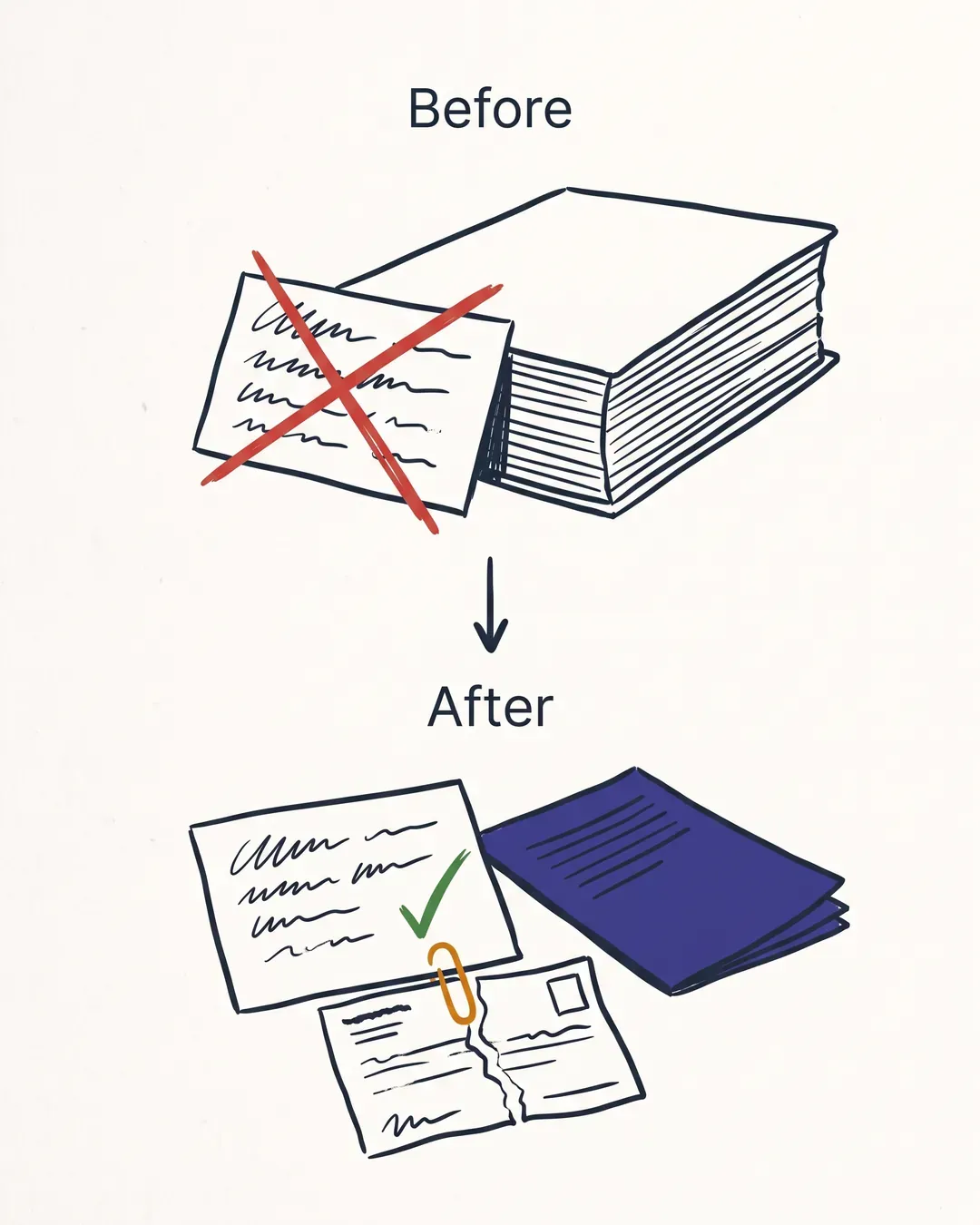
Before (a brief that won’t work): “Ghostwrite my 40,000-word book. Budget: $1,000.”
At Reedsy’s $450-per-1,000-words average, 40,000 words comes to $18,000. Even at the $0.10-per-word floor, it’s $4,000, so the budget covers at most a quarter of the book.
After (a brief that fits): “Write one sample chapter of about 2,000 words for my business book. Budget: $1,000, paid half when the first draft is approved and half on the final version.”
This brief fits because, at that same average, $1,000 pays for a little over 2,000 words, and the split payment ties each half to work you’ve approved.
What to do next
Your first step today is a one-paragraph brief that names the deliverable and its word count, checked against the price table at the top of this post. Then:
- Request quotes on Reedsy or browse the Authors Guild Marketplace, and look up EFA medians for short pieces
- Search each shortlisted writer's name with "scam," "review" and "complaint," and read their samples in your genre
- Start with a paid sample, such as one chapter or a short post
- Block time in your calendar for interviews and reviews before the project starts
- Put deliverables, revisions, milestones and credit in a written contract before the first payment
Prices and features as of Nov 28, 2026, from each product's own pages.
Frequently asked questions
How much does a ghostwriter cost for a full book?
Across 2,006 Reedsy collaborations in 2025, book ghostwriting averaged $450 per 1,000 words, which Reedsy says comes to $36,000 for an 80,000-word book. Top ghostwriters ask $50,000 to $100,000 to write a full-length manuscript from scratch. For research-heavy books, Reedsy says novice ghostwriters may charge around $10,000 per project.
What are typical ghostwriter rates per word?
Reedsy's data puts book ghostwriting between $0.10 and $3 per word. Its average of $450 per 1,000 words works out to $0.45 per word. Per-word pricing mostly shows up on short books or partial jobs, since full manuscripts usually get a flat fee.
How much does a Reedsy ghostwriter cost?
Professionals on Reedsy set their own fees, so you'll see a range of quotes. A free account lets you request quotes from up to five ghostwriters, and they look at your sample pages before giving a tailored quote. Reedsy says it vets each ghostwriter by hand and accepts only the top 3% of applicants.
Do I have to pay a ghostwriter royalties?
Usually not. Reedsy says ghostwriters typically take an upfront payment instead of royalties. A co-author is different: their name goes on the cover and, depending on the deal, they may share royalties or the advance.
Do ghostwriters use AI?
Some use it for parts of the job. One ghostwriter quoted by Reedsy uses AI to transcribe interviews, depending on the project, but goes through every transcript a second time because AI can't manage every accent. The Authors Guild says new AI technologies call for legal and policy interventions that balance useful AI tools with protection of human authorship.
What is the EFA freelance writer rates chart?
The EFA's 2026 Rate Chart reports median rate ranges from a survey of EFA members about the rates they charged during 2025. A median is the middle value, so half the reported rates sit above it and half below. The EFA says individual members' rates may vary considerably with turnaround time, degree of expertise, local cost of living, training and years of experience.
How long does a ghostwriting project take?
The average ghostwriting collaboration on Reedsy lasts 3 months. Reedsy says the real length depends on the writer's other commitments, how available you are for interviews, and how long and complex the project is. Ghostwriters can also be booked up months in advance.
Sources
- How Much Does It Cost to Hire a Ghostwriter? [Rates and Fees]
- Ghostwriting Services | Reedsy
- Award-Winning Professional Ghostwriters | Reedsy
- Editorial Rates - The Editorial Freelancers Association
- Writers and Authors : Occupational Outlook Handbook: : U.S. Bureau of Labor Statistics
- Job Scams | Consumer Advice
- Homepage - The Authors Guild
- Reedsy: Find the perfect editor, designer or marketer | Reedsy