To hire a ghostwriter, write a short project brief and set a budget. Shortlist writers who have done books like yours, read their samples and talk on a video call. Then sign a contract covering deliverables, timelines, revisions, payments, copyright and non-disclosure. Reedsy's 2026 data puts nonfiction books at $18,000 to $50,000.
Key takeaways
- Write a brief first: project type, length, goal, tone and deadline. Reedsy says cost depends on genre, word count and research needs.
- Reedsy's 2026 data puts nonfiction books at $18,000 to $50,000, and its 2025 average was $450 per 1,000 words.
- Shortlist writers who have done books in your genre, read their samples and talk on video before you sign anything.
- Reedsy says the contract should define deliverables, timelines, revisions, payments, copyright and non-disclosure.
- According to one ghostwriter on Reedsy, projects most often fail because the author underestimates how much time they need to give.
Here is how to hire a ghostwriter. Write a short brief for your project and set a budget. Shortlist writers who have done books like yours, read their samples and talk to each one on a video call. Then sign a contract before any writing starts. Reedsy says it should define deliverables, timelines, revisions, payments, copyright and non-disclosure.
Plan for months, not weeks. On Reedsy, the average ghostwriting collaboration lasts 3 months, and Reedsy’s 2026 data puts a nonfiction book at $18,000 to $50,000. The sections below follow the order you’ll actually go through.
| Step | What you do | Useful fact |
|---|---|---|
| Define the project | Settle the type of project, reader, length, tone and deadline | In traditional publishing, nonfiction proposals are almost always submitted before the book is written |
| Set a budget | Compare ranges for your genre and length | Reedsy’s 2025 average was $450 per 1,000 words |
| Find candidates | Use a marketplace, a referral or your publisher | Reedsy lets you request quotes from up to five ghostwriters |
| Vet | Check their genre, read samples, talk on video | Ghostwriters can get booked up months in advance |
| Interview | Ask about their process and how much of your time they’ll need | One ghostwriter sends drafts in batches of 3,000 to 5,000 words |
| Sign a contract | Cover deliverables, revisions, payments, copyright and NDA | Ghostwriters typically receive an upfront payment instead of royalties |
What do you need to decide before you look for a ghostwriter?
Before you contact anyone, settle the type of project, its length, your goal, the tone and your deadline. Reedsy says costs vary with your book’s genre, target word count and research needs, so these answers shape every quote you get.
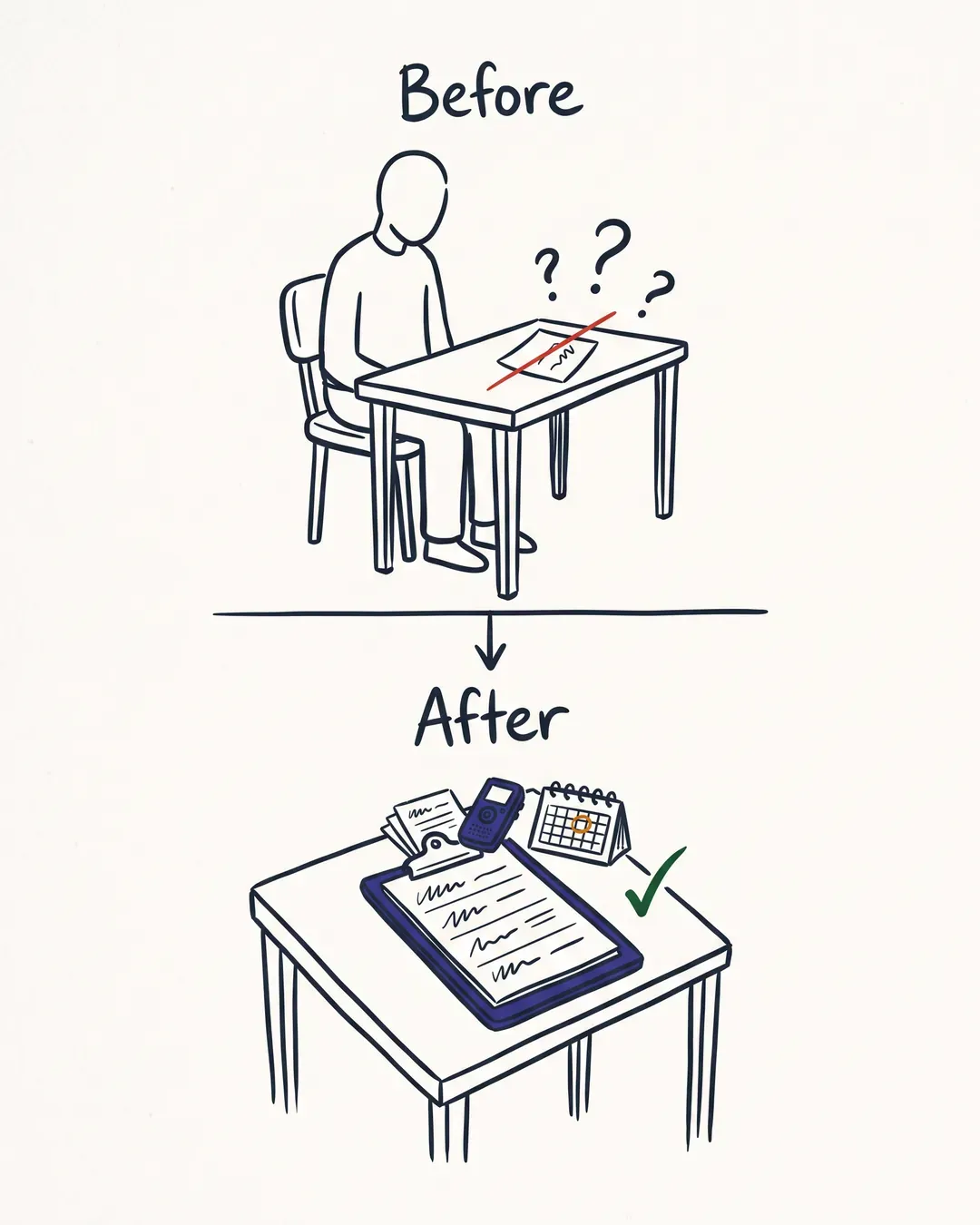
Before
I want to write a book about my business and need a ghostwriter.
After
Nonfiction business book, about 80,000 words, for people starting a company in my industry. Plain, conversational tone, using my own stories from the first five years. Self-published. I can do one or two interview calls a week. I'd like a finished manuscript within six months of signing. Samples of my writing and two recorded talks are attached.
Type of project. Reedsy splits ghostwriting into three services: book ghostwriting, book proposals and short-form content. If you hope to sell a nonfiction book to a traditional publisher, start with a proposal. Reedsy says a proposal commonly features chapter headings, details of each chapter’s content, a list of 3 to 5 competing books that sold well, a marketing and promotion plan, and a list of experts or celebrities willing to provide blurbs or endorsements.
Length. Pick a target word count. Reedsy lets professionals set their own fees and reports its full-book average per 1,000 words, so quotes for the same length will still vary.
Goal. Be honest about why you want the book. Reedsy’s cost guide warns that very few books make much money from sales and suggests treating the fee as an investment. Don’t expect sales to pay the fee back.
Tone. Collect anything that already sounds like you: emails, talks, posts, transcripts. If you paste three to ten of those samples into a writing style analyzer, you get a short voice brief you can hand to candidates.
Deadline. Write down the date you need a finished manuscript. Then work backward, allowing for interviews and revision rounds.
Example: a project brief, before and after
Before: “I want to write a book about my business and need a ghostwriter.”
After: “Nonfiction business book, about 80,000 words, for people starting a company in my industry. Plain, conversational tone, using my own stories from the first five years. Self-published. I can do one or two interview calls a week. I’d like a finished manuscript within six months of signing. Samples of my writing and two recorded talks are attached.”
A writer can quote on the second version. With the first, all they can do is ask questions.
How much should you budget for a ghostwriter?
For a full-length nonfiction book, plan on five figures. According to Reedsy data from 2026, a professional ghostwriter typically costs:
450 USD/1,000 words
Reedsy's 2025 average ghostwriting rate per 1,000 words
Source: reedsy.com, as of Nov 29, 2026
2,006 offers
Offers on Reedsy behind that 2025 average
Source: reedsy.com, as of Nov 29, 2026
- Nonfiction book (top of range)50,000 USD
- Novel (top of range)18,000 USD
- Picture book (top of range)5,000 USD
Source: reedsy.com, as of Nov 29, 2026
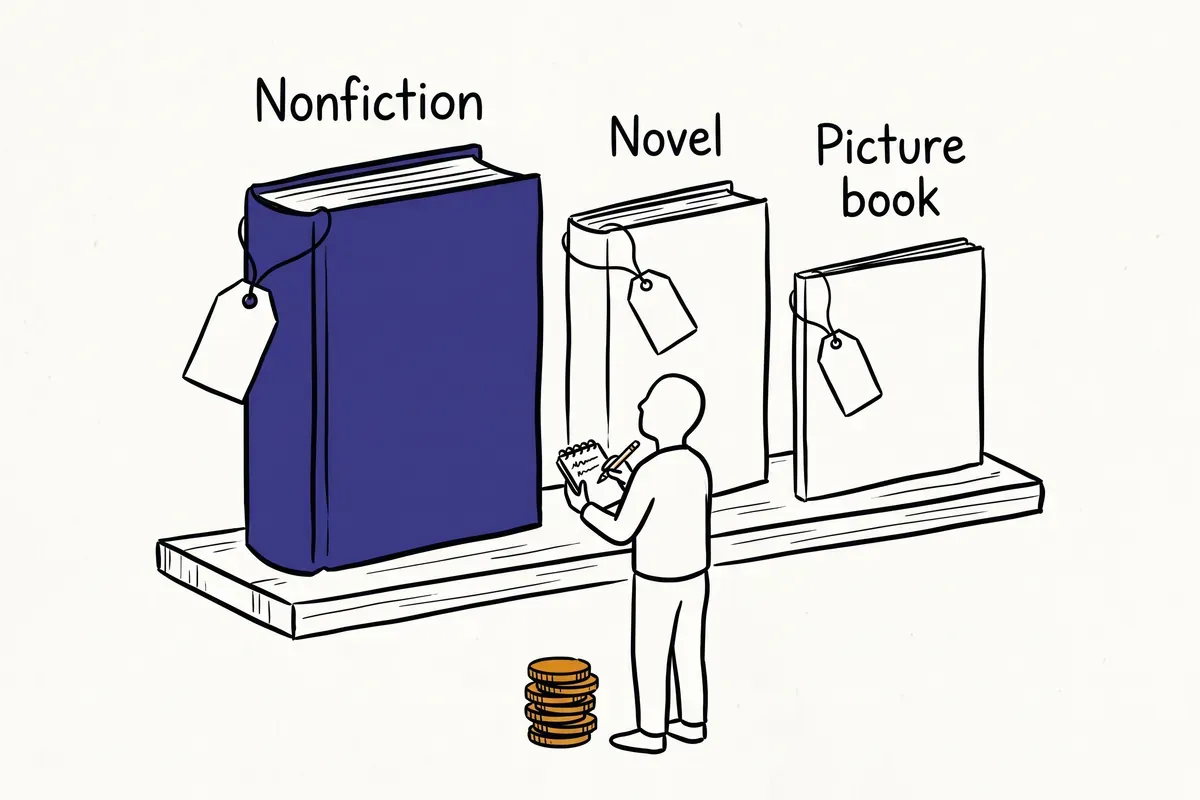
- $18,000 to $50,000 for a nonfiction book
- $3,500 to $18,000 for a novel
- $1,500 to $5,000 for a picture book
Reedsy’s ghostwriting page gives a 2025 average of $450 per 1,000 words across 2,006 offers and a 2026 guide price of $750 to $10,000 for a book proposal. These are Reedsy’s own marketplace figures, so check the year on any number you rely on. For the full breakdown by genre and pricing model, see how much does a ghostwriter cost.
If you start with a proposal and no publisher buys the book, Reedsy explains that you can carry on with the same ghost and the amount already paid for the proposal is deducted from the final fee. If a publisher does commission the book, the full manuscript is usually written at the publisher’s expense.
Where can you find a ghostwriter?
You can find a ghostwriter through a marketplace for publishing professionals such as Reedsy, a publisher’s contacts, a referral from someone you know, or a general freelance site.
Reedsy
Reedsy is a marketplace for publishing professionals: editors, designers, marketers, translators and ghostwriters. On its ghostwriting page, Reedsy describes the process: you narrow your search by genre, browse profiles, then request quotes from up to five ghostwriters. The writers look at your sample pages and send a tailored quote along with a sense of how they work. Reedsy says it manually vets each ghostwriter. Once you agree terms, it generates the contract. For a closer look at fees and vetting, see the reedsy ghostwriting review.

Publishers and referrals
If a traditional publisher has bought your book, ask them who they work with. Reedsy notes that traditional publishers would have a list of vetted writers and samples, while self-publishing authors have to do the vetting themselves. If someone in your network has published a ghostwritten book in your genre, ask who wrote it and whether they would hire that writer again.
General freelance marketplaces
If you post a job on a general freelance site, read that site’s current fee and payment-protection pages first, so you know what you pay on top of the writer’s quote. If you’re weighing an agency against a solo writer, the ghostwriting agency vs freelancer guide compares the trade-offs.
How do you vet a ghostwriter?
Vet ghostwriters on their genre experience, their samples and how well you work together on a call.
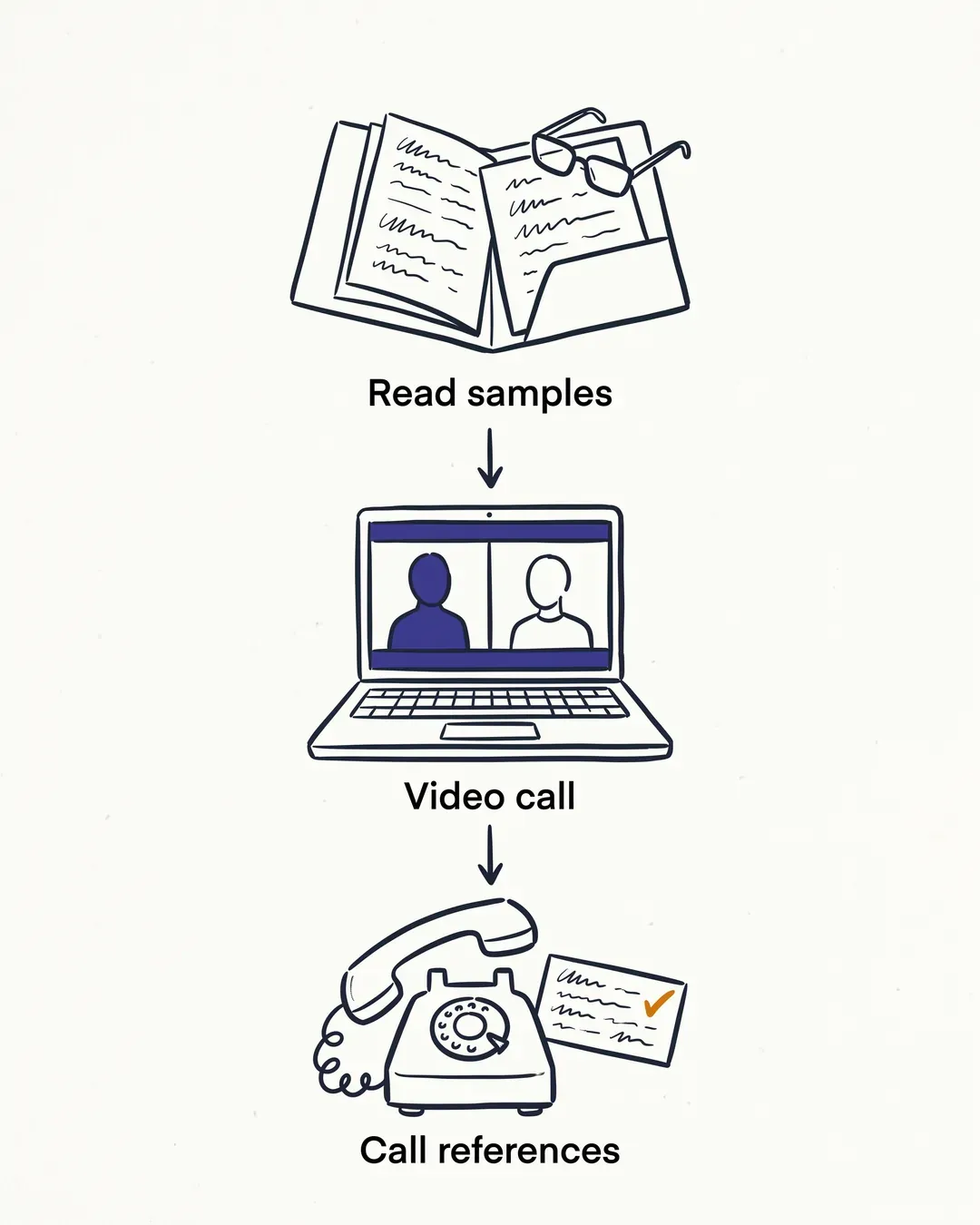
- Match the genre. Reedsy advises giving priority to writers who’ve done books like yours, because a successful memoir ghostwriter might not be an expert in children’s books. If you’re writing your life story, look for a memoir ghostwriter specifically.
- Read samples. Reedsy points out that even though a ghostwriter adapts to your voice, they will still bring some of their own habits to the book. Read their past work and decide whether you like how they write.
- Talk on video. Before signing, Reedsy suggests getting to know your top choice, ideally on a video call, and asking yourself whether you feel comfortable being completely honest with them.
- Confirm availability. Check that your first choice can actually work to your timeline before you go further.
- Consider a paid test. Reedsy says that even for novels, it’s common to hire a ghost to write an outline and sample chapter to test their skills before you commit to the whole book.
Don’t expect a candidate to prove they can match your voice before the project starts. One ghostwriter quoted in Reedsy’s guide says you can’t really demonstrate that you can get their voice at the beginning. They offer references instead, and say getting the voice right grows out of trust. So ask for references and actually call them.
What should you ask a ghostwriter before hiring?
Use the interview to find out how the writer works and how much of your time they’ll need. Here are questions worth asking, and why:

- How will you gather material? Reedsy says a ghostwriter will determine the best way to generate material, such as phone or video calls, your written notes, independent research or a mix. One ghostwriter in Reedsy’s guide records and transcribes every interview, then copies, pastes and edits large portions of the transcripts into the manuscript.
- How often will you need me? The same guide quotes a ghostwriter who says the most common reason projects fail is that the author hasn’t understood how much time they have to give. That writer expects to meet on Zoom once or twice a week.
- How do drafts and feedback work? Ask what size batches you’ll get and how quickly you’re expected to reply. Reedsy says you should get to look at an early draft to confirm the style before the project is well underway.
- How many revision rounds are included? One ghostwriter warns authors that the first chapter or two may be rewritten 3 or 4 times before it sounds right, and that the rest usually comes faster after that.
- Do you use AI tools, and for what? One ghostwriter in Reedsy’s guide uses AI to transcribe interviews but rechecks every transcript, because AI can’t handle every accent.
- Will you sign a confidentiality agreement, and do you expect credit? Settle this now so the contract doesn’t surprise either of you.
Expect to be interviewed back. One ghostwriter usually starts the first conversation by asking, “Why do you want to write this book?”, because the answer shows how likely the author is to give the project the time it needs. To practice answering questions about your story before the call, an interview question generator can draft them in the order an interview usually runs.
What belongs in a ghostwriting contract?
A ghostwriting contract should cover deliverables, timelines, revision agreements, payment schemes, copyright and non-disclosure. That’s the list in Reedsy’s cost guide, which adds that you can use a basic contract or hire through Reedsy, whose automated contract can be edited with extra clauses. Either way, have a lawyer review the contract before you sign.
Checklist
- Deliverables and timelines
- Revision rounds included
- Payment milestones (by chapter, half draft or completed first draft)
- Who holds the copyright
- Credit: no mention, an Acknowledgments line or a co-author credit
- Non-disclosure: what the writer can and can't reveal
- What happens if either side wants to stop
- Lawyer review before you sign
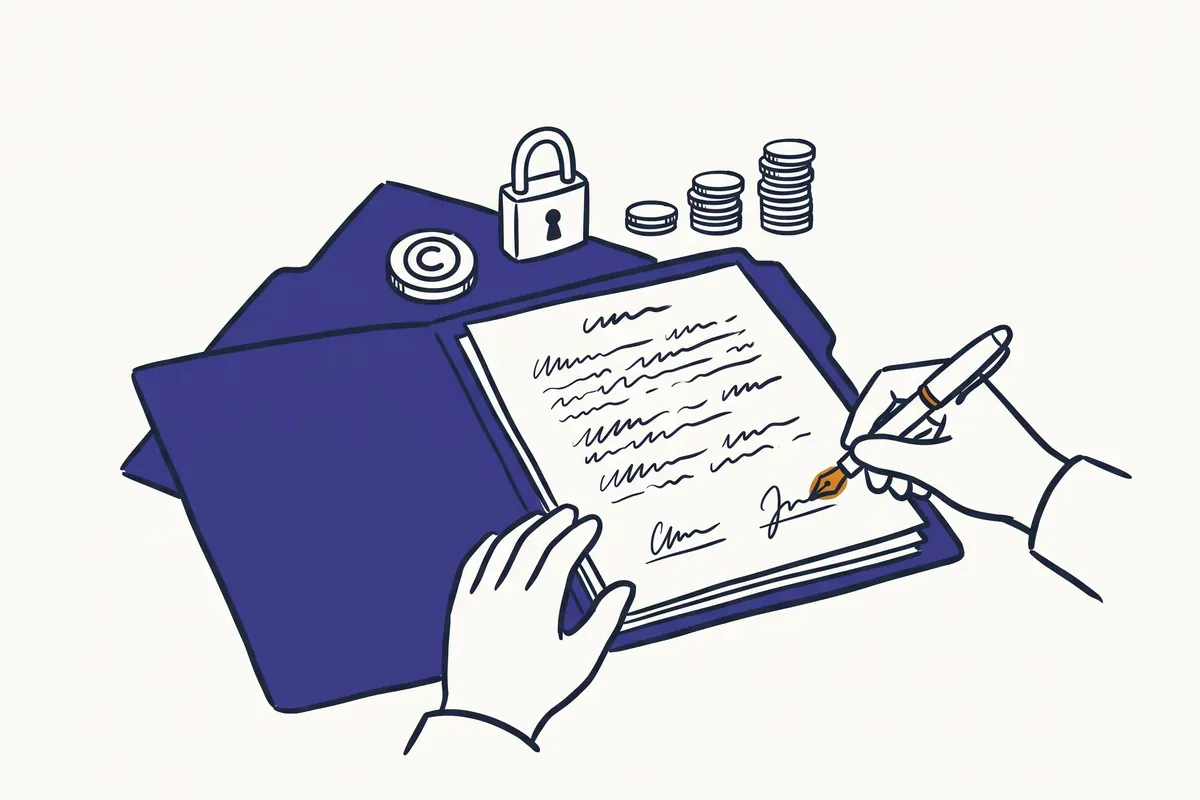
Copyright and ownership
Use the contract to settle who holds the copyright. One ghostwriter quoted by Reedsy describes the deal from their side: someone else will hold the copyright, there’s no obligation to credit them, and they’ll never receive royalties.
Credit
Decide on credit up front. Reedsy says a ghostwriter is rarely the official “author” of the book, though they are sometimes mentioned as a “co-author” in the Acknowledgments. Write down which you’ve agreed: no mention, an Acknowledgments line or a co-author credit.
Confidentiality
Include a non-disclosure clause that says what the writer can and can’t reveal. Reedsy notes that ghostwriters are often bound by confidentiality clauses that stop them from revealing which books they’ve written.
Payment schedule
Pay in milestones you both agree on. Reedsy says you might pay by chapter, after the first half of the draft, or on a completed first draft, and that a memoir might have different milestones than a novel.
Ending the deal
Spell out what happens if either side wants to stop. Reedsy points out that installment payments let you walk away if the collaboration doesn’t work out. For longer books, Reedsy also says you may need to adjust the timeline to get the story arc or voice right, and that you can always amend the collaboration.
How do you work together once you’ve hired a ghostwriter?
Expect a cycle of interviews, an outline you approve, then drafts you read and correct. Reedsy describes it as multiple rounds of recorded interviews, then your approval of the outline, and then reading and shaping every draft until it’s right. Most collaborations combine video calls with back-and-forth on the text.
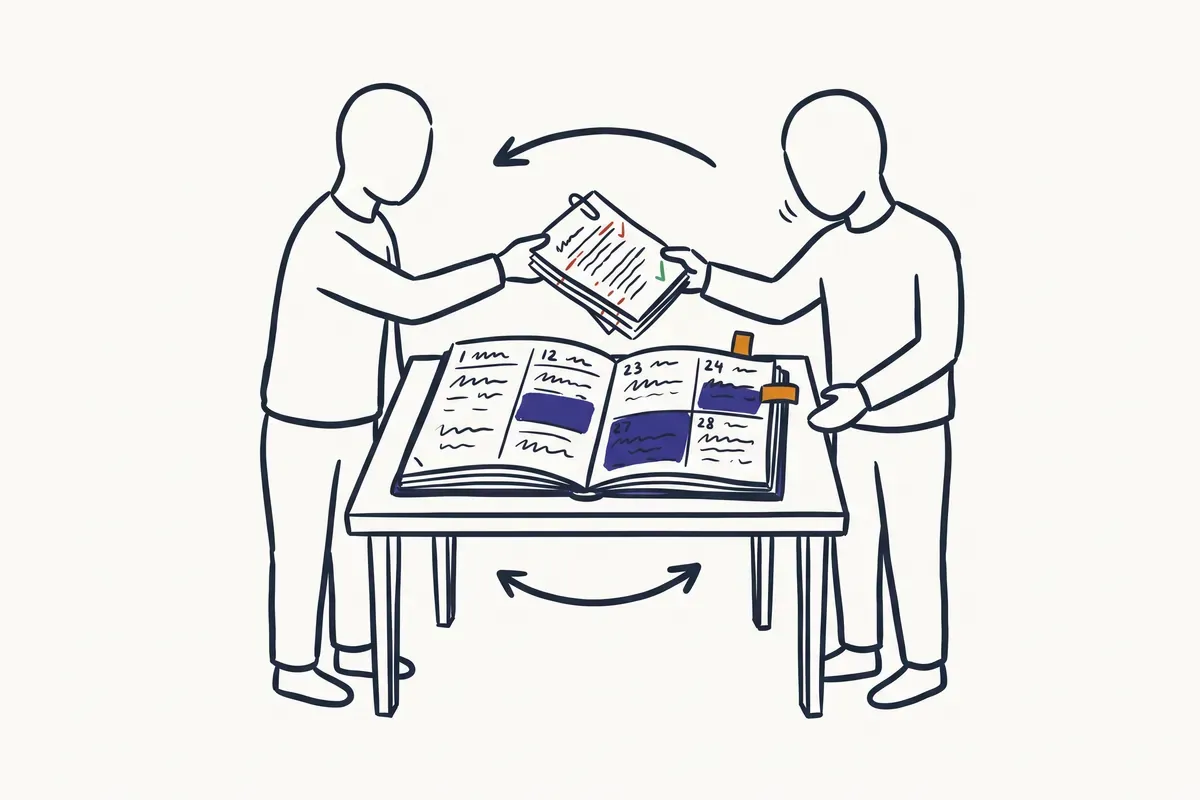
Block regular time in your calendar from the first week. One ghostwriter in Reedsy’s guide sends 3,000 to 5,000 words at a time, then meets a couple of days later to go over what you liked, what you didn’t and what needs to change.
Give clear, specific feedback, and remember you have the final say. The same writer calls it the most important rule of ghostwriting: it isn’t my book, it’s the author’s. They’ll explain the drawbacks of an approach, then do it your way if you insist. At the end, Reedsy says you should get a finished manuscript ready for querying or copy editing.
What are the warning signs when you hire a ghostwriter?
Watch for these warning signs, each tied to advice from Reedsy or the ghostwriters it quotes:

- Their samples are all in another genre. Reedsy notes that a memoir ghostwriter might not be an expert in children’s books, so a portfolio outside your genre is a reason to ask more questions.
- They can’t fit your timeline. If your first choice is booked months out and your date can’t move, keep looking.
- The video call felt off. One experienced ghostwriter says chemistry is vital and turns down projects when the first call doesn’t go well. You can do the same.
- You can’t find the time. That ghostwriter suggests that if meeting once or twice a week will be difficult, the project probably shouldn’t go ahead. Fix your schedule before you hire anyone.
How to hire a ghostwriter: what’s the full checklist?
The full checklist runs from a one-page brief to a signed contract and your first booked interviews, in this order:
- Write a one-page brief: project type, reader, word count, tone, deadline and weekly availability.
- Set a budget using Reedsy's current ranges for your genre, and collect samples of your writing or speech.
- Find candidates through Reedsy, your publisher, referrals or a general freelance site.
- Shortlist writers with books in your genre, read their samples and send everyone the same brief for quotes.
- Hold a video call with each finalist and confirm your first choice can work to your timeline.
- Call their references, and consider paying for an outline and sample chapter.
- Agree a written contract: deliverables, revision rounds, payment milestones, copyright, credit and confidentiality.
- Sign, book your first interviews and block weekly time for feedback.
- Write a one-page brief covering project type, reader, word count, tone, deadline and your weekly availability.
- Set a budget using Reedsy’s current ranges for your genre.
- Collect samples of your own writing or speech to share.
- Find candidates through Reedsy, your publisher, referrals or a general freelance site.
- Shortlist writers with books in your genre and read their samples.
- Request quotes, and send the same brief to everyone.
- Hold a video call with each finalist, using the interview questions above.
- Confirm your first choice can work to your timeline.
- Call their references, and consider paying for an outline and sample chapter.
- Agree a written contract that sets out what’s delivered and when, revision rounds, payment milestones, copyright, credit and confidentiality.
- Sign, book your first interviews and block weekly time for feedback.
What to do next
You can do the groundwork today, before you contact a single ghostwriter:
3 months
The average ghostwriting collaboration on Reedsy, so block one or two weekly slots for that long before you commit.
- Write your brief today. Use the before-and-after example above as a template and fill in your own word count and deadline.
- Look up current rates for your genre and write down the most you can spend. Use that number to filter quotes.
- Gather three to ten samples of your writing or recorded talks into one folder you can send to candidates.
- Block one or two recurring slots a week in your calendar for the next three months, Reedsy’s average collaboration length, so you know you can make the interviews before you commit.
Prices and features as of Nov 28, 2026, from each product's own pages.
Frequently asked questions
How much does it cost to hire a ghostwriter for a full book?
Across 2,006 collaborations in 2025, Reedsy says the average was $450 per 1,000 words, or $36,000 for an 80,000-word book. It adds that top ghostwriters ask $50,000 to $100,000 to write a full manuscript from scratch. The quote usually covers background research, interviews, drafting chapters and editing them before the book goes to a publisher.
How long does a ghostwriter take to write a book?
Reedsy says the average ghostwriting collaboration on its marketplace lasts 3 months, though it can run longer or shorter depending on the writer's other work, how available you are for interviews and how long and complex the book is. One ghostwriter quoted in Reedsy's cost guide says the key question for them is whether a book will take two months or six, because they put their own work on hold during the project.
Do ghostwriters get credit or royalties?
Reedsy's answer is that ghostwriters typically receive an upfront payment instead of royalties. A co-author is different: their name goes on the cover, and depending on the deal they may share the advance or royalties. Some authors still choose to credit their ghostwriter as a co-author to reflect the role they played.
Who owns the copyright when you hire a ghostwriter?
Reedsy describes the arrangement as one where the byline and credit belong to you, and a ghostwriter quoted in Reedsy's cost guide writes that someone else will hold the copyright of the work they produce. The same guide lists copyrights among the things your contract should define before the collaboration starts, so put ownership in writing.
What does hiring through Reedsy add compared with hiring a ghostwriter directly?
Reedsy says it offers mediation if a collaboration goes off track, which it says gives you more protection than if you had hired the ghostwriter directly. Its homepage says projects undertaken on Reedsy are covered by its project protection guarantee, and that you can share files, message and manage payments in one place.
Can you hire a ghostwriter for blog posts or speeches instead of a book?
Yes. Reedsy lists short-form ghostwriting with a guide price of $500 to $2,000, based on 46 projects in 2026, for blog posts, op-eds and essays. Its FAQ says blogging is probably the most common type of short-form ghostwriting, and that a ghostwriter can probably help with an op-ed or a wedding speech.
Can a ghostwriter finish a book I've already started?
Reedsy says some ghostwriters will accept unfinished manuscripts and write the missing parts with you, usually mixing developmental editing and ghostwriting. Don't expect a big discount, though. Reedsy notes that reworking existing material can take a ghostwriter as long as writing the book from the start.