A book ghostwriter interviews you, drafts the book in your voice, and it's published under your name, usually without credit. In one survey of 269 ghostwriters, 25% charged at least $100,000 for their latest nonfiction manuscript. Under US rules, the writer is the author unless the book qualifies as a work made for hire.
Key takeaways
- In a survey of 269 ghostwriters reported by Publishers Weekly, 25% charged at least $100,000 for their latest nonfiction manuscript, and half charged $10,000 to $20,000 for a proposal.
- Under US copyright rules, the person who creates a work is its author unless it is a work made for hire. A commissioned work only qualifies if it fits a listed category and both parties sign a written agreement.
- Ghostwriters generally get no byline unless the book is billed as "as told to", and they are usually paid a flat fee rather than royalties.
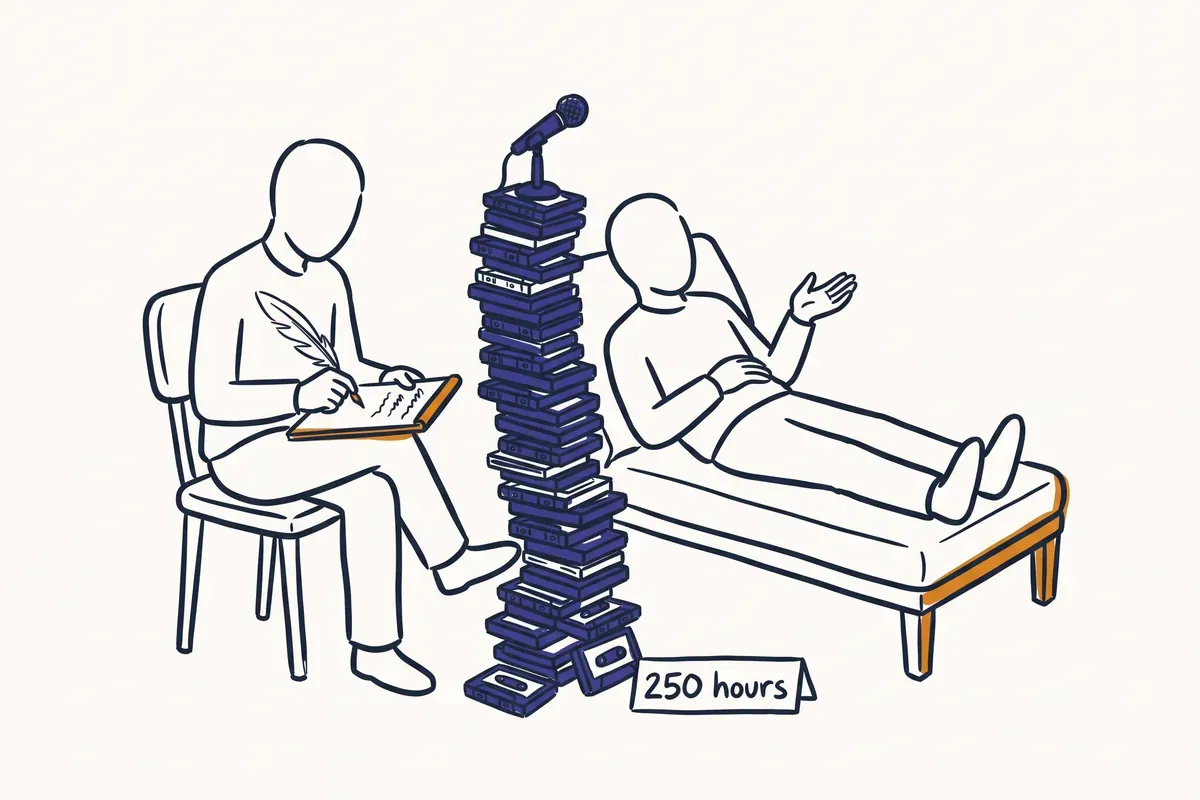
- J.R. Moehringer spent 250 hours in sessions with Andre Agassi for Open, according to CNBC.
- The EFA's 2026 Rate Chart, which covers editorial services, is guidance only. The association says it neither sets rates nor advises members on them.
Ghostwriting a book means you hire a professional writer to draft the book, and it’s published under your name, usually without credit for the writer. You supply the stories and the expertise in interviews. The ghostwriter turns them into chapters written in your voice, and you approve the final text.
Book ghostwriting can be expensive at the top end. A joint survey of 269 ghostwriters by the American Society of Journalists and Authors and Gotham Ghostwriters found that 25% charged at least $100,000 for their most recent nonfiction manuscript. This guide covers what the work involves, what it costs, who owns the finished book and where to find a writer.
| Question | Short answer | Where it comes from |
|---|---|---|
| What is it? | A writer drafts a book for someone else, usually without public credit | CNBC on the Spare ghostwriter |
| What does a manuscript cost? | 25% of surveyed ghostwriters charged $100,000 or more for their latest nonfiction manuscript; 8% charged more than $150,000 | Publishers Weekly survey report |
| What does a proposal cost? | 50% charged $10,000 to $20,000; 11% charged more than $20,000 | Publishers Weekly survey report |
| Does the writer get credit? | Generally no byline unless the book is billed as “as told to” | Writer’s Digest |
| Royalties or a fee? | Usually a flat fee | Writer’s Digest |
| Who is the legal author? | The person who created the work, or the commissioning party if the work was made for hire | U.S. Copyright Office |
| How long can the interviews run? | One public case: 250 hours of sessions for Open | CNBC |
What is book ghostwriting?
In book ghostwriting, one person writes a book and another person is presented as its author. CNBC describes ghostwriters as writers who pen books on behalf of another party, usually without publicly receiving credit.
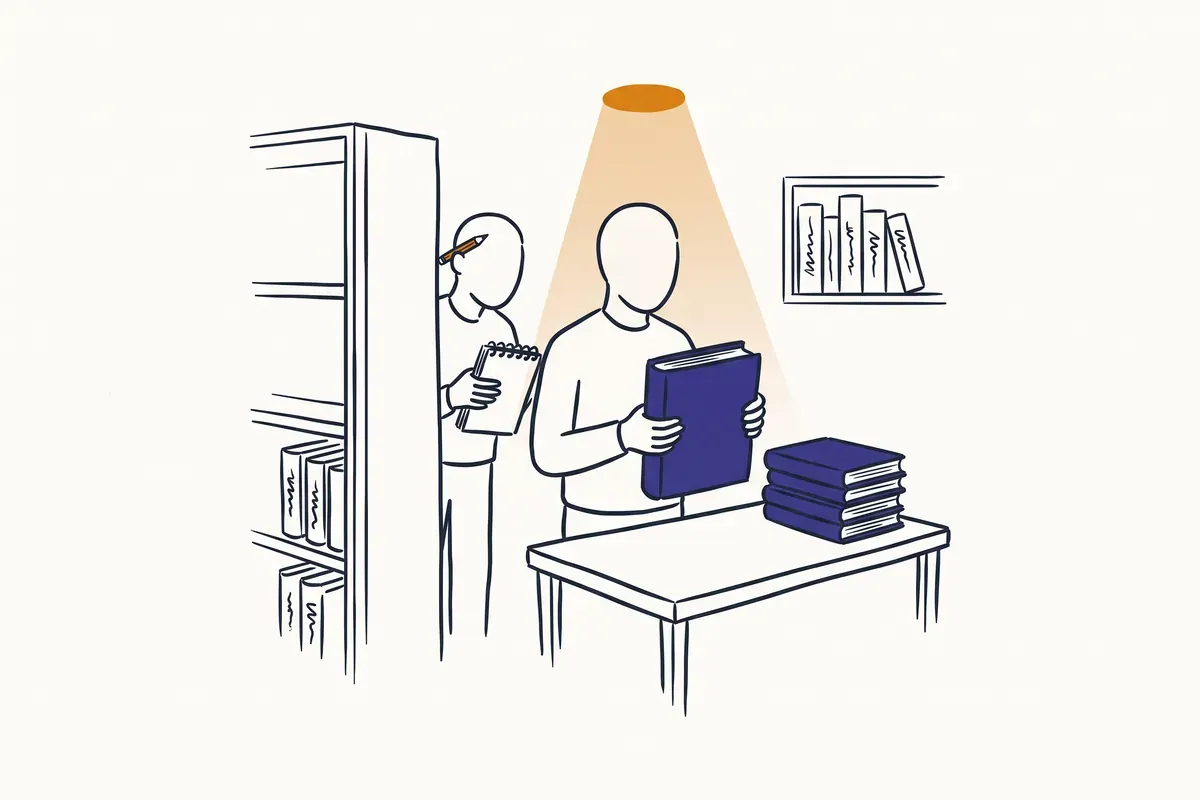
Three public examples come from one writer. J.R. Moehringer, a journalist who won the 2000 Pulitzer Prize for feature writing, ghostwrote Phil Knight’s Shoe Dog (2016) and Prince Harry’s Spare (2023), according to his Wikipedia biography. CNBC reports that he also ghostwrote Andre Agassi’s Open (2009). Spare is attributed solely to Prince Harry, and Moehringer’s name does not appear on the cover. CNBC reports that Moehringer told The New York Times he insisted on keeping his name off the cover and title page of Open, and he kept that practice for the later two books.
One alternative is the “as told to” book. Writer’s Digest notes that the writer generally gets a byline only when a book is meant to be an as-told-to book.
How does ghostwriting a book work, step by step?
One way to organize a ghostwritten book project is the sequence below: scope, interviews, outline, drafts and sign-off. Agree on the order and the milestones with your writer before work starts.
- ScopeDecide the genre, a rough length and whether you'll pitch publishers or self-publish. A proposal can be a paid project of its own.
- InterviewsThe ghostwriter collects your stories and learns how you talk. Record every session so the writer can check your exact words.
- OutlineTurn hours of tape into a chapter plan before drafting, slotting each interview story into a step of a story structure.
- DraftsAsk for one sample chapter early, so you can correct the voice before the full draft exists.
- Sign-offYour name goes on the cover, so the final choices on the text are yours.
Settle the scope and how you’ll publish
Decide on the genre, a rough length and whether you’ll pitch publishers or self-publish. If you pitch, the proposal can be a paid project of its own. In the survey reported by Publishers Weekly, half of respondents charged $10,000 to $20,000 for their latest nonfiction proposal. Reedsy’s ghostwriter listing also names proposal writing, along with shaping your concept and capturing your voice.
Do the interviews
The interviews are where the ghostwriter collects your stories and learns how you talk. For Open, Moehringer spent 250 hours with Agassi, in sessions he said sometimes resembled psychoanalysis, and CNBC reports the result let him capture Agassi’s voice more accurately. Before your first session, use the interview question generator to make a list of questions, and answer the hardest ones out loud. Record every session so the writer can check your exact words later.
Build the outline
An outline turns hours of tape into a chapter plan before any drafting starts. For a memoir, choose a story structure such as the story spine or Freytag’s pyramid, and slot each interview story into a step. Missing pieces show up as empty steps.
Review drafts written in your voice
In a memoir, the draft is written in the first person. On NPR’s Fresh Air, Moehringer described the work as trying to inhabit the subject’s skin: thinking in the third person while writing in the first. Ask for one sample chapter early, so you can correct the voice before the full draft exists.
Before
"So yeah, the first year we almost ran out of money, like twice. I remember sitting in the car outside the bank, I didn't even go in, I just sat there."
After
I sat in the car outside the bank and never went in. That was the first year, and we came close to running out of money twice.
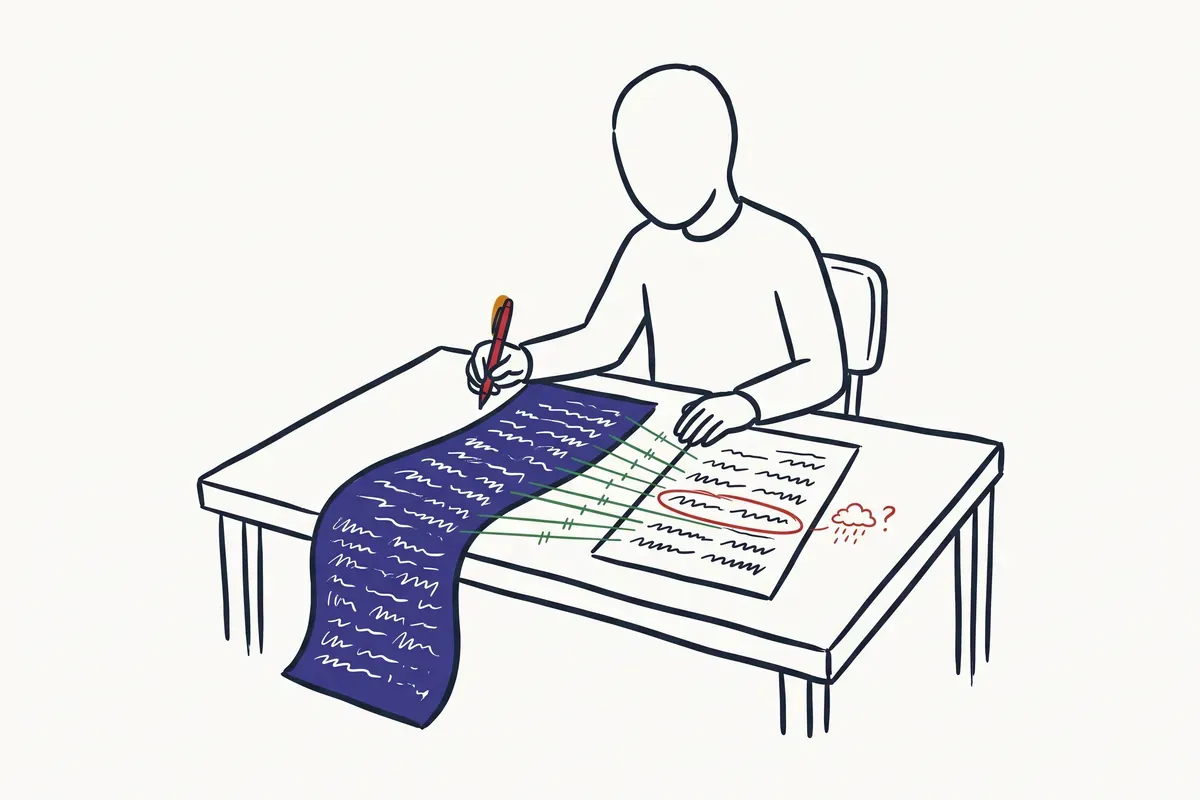
Example: turning an interview answer into a manuscript paragraph
Before (your answer in an interview, transcribed):
“So yeah, the first year we almost ran out of money, like twice. I remember sitting in the car outside the bank, I didn’t even go in, I just sat there.”
After (a draft paragraph in your voice):
I sat in the car outside the bank and never went in. That was the first year, and we came close to running out of money twice.
The “after” version reorders and trims, but every fact in it comes from your answer. If a draft adds details you never gave, such as the weather or what you were thinking, flag them and ask where they came from.
Sign off on the final text
Your name goes on the cover, so the final choices are yours. Of Open, Moehringer said it was Agassi’s accomplishment and that Agassi “made the final choices.”
How much does it cost to ghostwrite a book?
What it costs to ghostwrite a book varies widely, and published figures differ by source. Read each number against its own source rather than as one combined range.
The ASJA and Gotham Ghostwriters survey
From the survey of 269 working ghostwriters and collaborators:
25%
charged at least $100,000 for their last nonfiction manuscript
Source: publishersweekly.com, as of Nov 29, 2026
8%
charged more than $150,000 for their last nonfiction manuscript
Source: publishersweekly.com, as of Nov 29, 2026
50%
charged $10,000 to $20,000 for their last nonfiction proposal
Source: publishersweekly.com, as of Nov 29, 2026
11%
charged more than $20,000 for a proposal
Source: publishersweekly.com, as of Nov 29, 2026
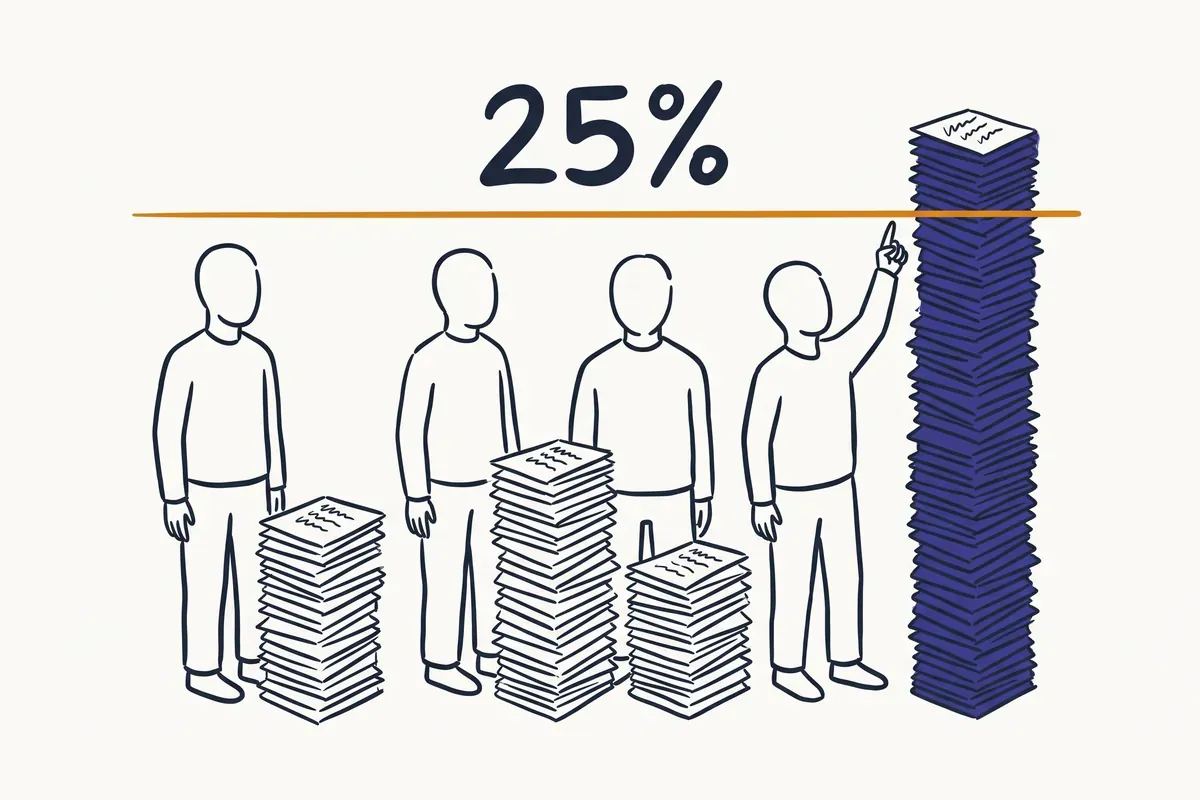
- 25% charged at least $100,000 for their last nonfiction manuscript.
- 8% charged more than $150,000 for their last nonfiction manuscript.
- 50% charged $10,000 to $20,000 for their last nonfiction proposal.
- 11% charged more than $20,000 for a proposal.
Publishers Weekly’s write-up gives no median manuscript fee. Read these as the share of writers above a line, not as the typical price.
Writer’s Digest
For a book ghostwritten for a celebrity, Writer’s Digest said the fee depends on the publisher, the celebrity, the ghostwriter’s reputation and the book’s salability, and “could be $25,000 or more.” That answer was published in 2009, so it may not reflect what writers charge today.
The EFA 2026 Rate Chart
The Editorial Freelancers Association publishes a 2026 Rate Chart and a rate estimator for editorial services. The estimator’s service types include editing, publishing, reading and consulting, so it fits the editorial work around a book, such as editing the finished manuscript. You choose a per-word or per-hour estimate, select a service type and a genre, then enter a word count. The figures come from a survey of over 1,100 respondents covering work done in 2025. The EFA says it neither sets rates nor advises members on them. It also says rates vary with type of work, turnaround time, expertise, local cost of living, training and experience.
BLS pay, for context
The Bureau of Labor Statistics puts the median annual wage for writers and authors at $76,910 in May 2025. BLS also notes that many writers and authors are self-employed. A salary median like this one is background for a freelance book fee, not a price list.
$76,910
Median annual wage for writers and authors in May 2025, per the Bureau of Labor Statistics
Example: budgeting a business book you plan to pitch. Say you want a nonfiction book about your company and plan to look for a traditional publisher. Budget for the proposal first: half of the surveyed ghostwriters charged between $10,000 and $20,000 for one. If a publisher buys it, the manuscript is a separate and larger fee, since a quarter of respondents charged $100,000 or more.
Who owns the copyright of a ghostwritten book, and who gets credit?
Under US copyright rules, the person who writes a book is its author unless the book is a work made for hire. In that case, the U.S. Copyright Office puts the author as “the employer or party that ordered or commissioned the work.” On a registration, you name that party, not the person who did the writing.
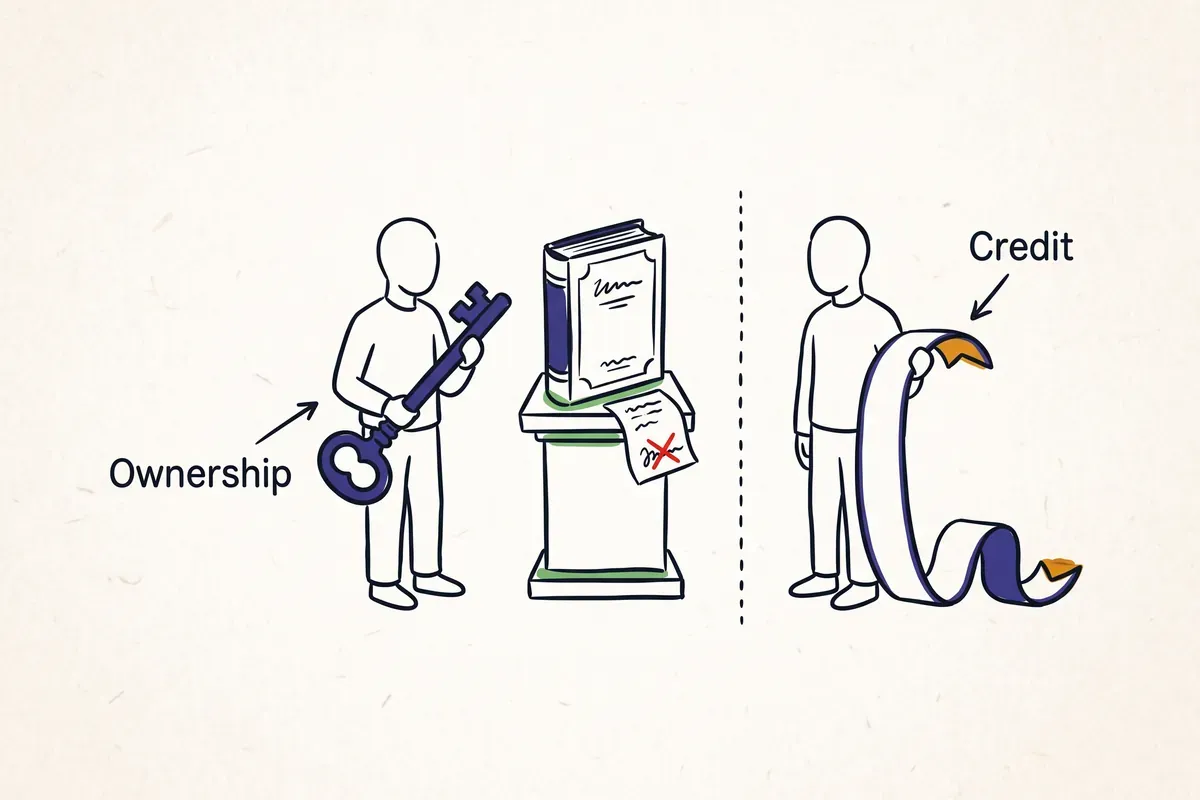
A commissioned work only qualifies as made for hire if two conditions are met. Both parties must expressly agree in a writing signed by both. The work must also be commissioned for one of the uses the statute lists. One listed use is a “supplementary work,” such as a foreword, afterword, appendix or index, per the Copyright Office. If your book doesn’t clearly fit a listed category, ask an attorney how your contract should transfer ownership. This guide isn’t legal advice.
Credit is a separate question from ownership. Writer’s Digest says ghostwriters generally don’t get a byline unless the book is an as-told-to book, and rarely receive public acknowledgment. Keeping the writer’s role quiet can matter too. Moehringer says he was stalked and harassed by the press after his name was leaked ahead of the release of Spare.
What goes in a book ghostwriting contract?
A book ghostwriting contract should state in writing how the writer is paid, who owns the book, whether the writer gets credit and when each stage is due. Use this checklist when you review a draft with your attorney:
Checklist
- Choose a flat fee or a royalty share; the flat fee is the usual arrangement.
- Price the proposal on its own if you plan to pitch publishers.
- Say whether the contract uses the made-for-hire route, with a writing signed by both, or how rights otherwise pass to you.
- Spell out the credit: no credit, an acknowledgment or an "as told to" byline.
- Attach a dated schedule with milestones for the interviews, the outline, the first draft and revisions.
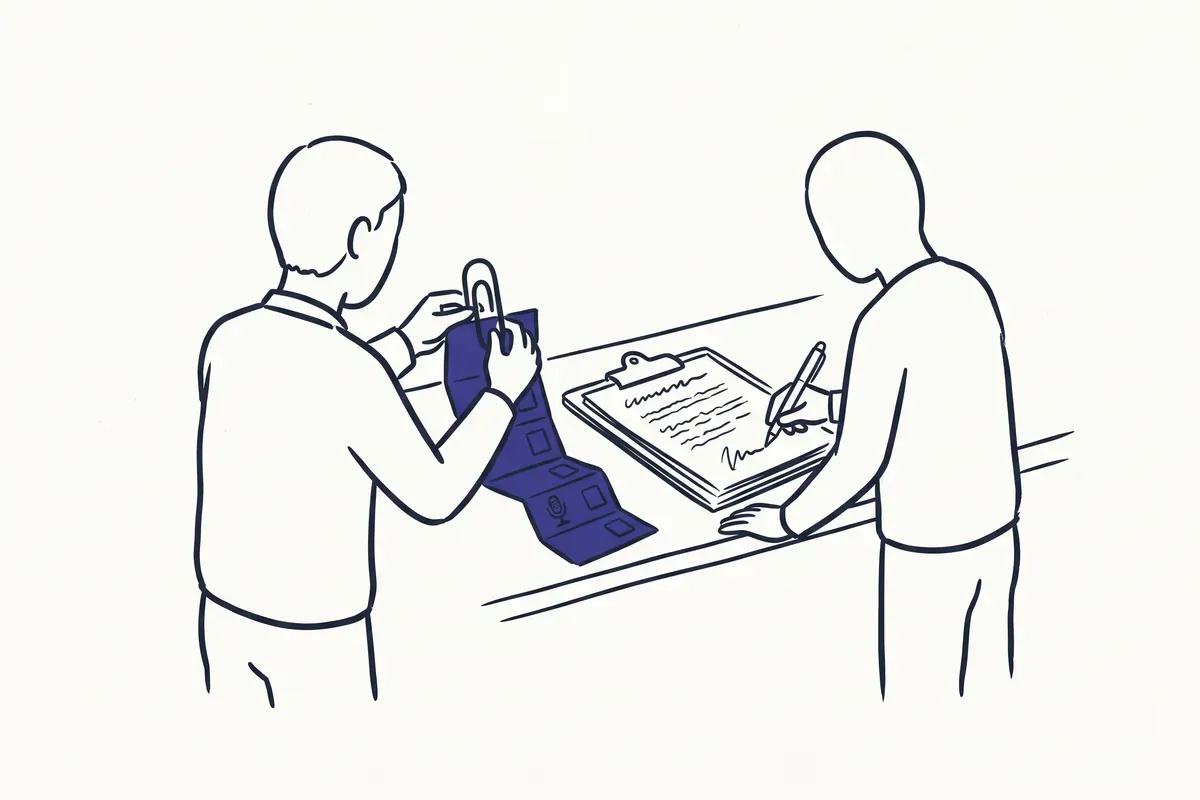
- Choose a flat fee or a royalty share. Writer’s Digest says the flat fee is the usual arrangement.
- Price the proposal on its own if you plan to pitch publishers. The ASJA and Gotham survey reports proposal fees and manuscript fees separately.
- Say whether the contract uses the made-for-hire route, with the signed-writing requirement the Copyright Office describes, or how rights otherwise pass to you.
- Spell out the credit: no credit, an acknowledgment or an “as told to” byline.
- Attach a dated schedule with milestones for the interviews, the outline, the first draft and revisions.
Where do you find a book ghostwriter?
You can find book ghostwriters on publishing marketplaces such as Reedsy.
Reedsy is a marketplace for publishing freelancers, including ghostwriters. You browse profiles, request free quotes, then compare offers, share files, exchange messages and pay on the platform. Reedsy says it accepts around 1% of freelancer applications and covers projects with a project protection guarantee. Both are Reedsy’s own claims. For more on how it works for this kind of project, see the guide to Reedsy ghostwriting.
Before you hire, read a book the writer has already published in your genre. Ask for a short paid sample chapter, and check that the contract terms above are acceptable to them. If you’re choosing between an agency and an individual, compare a ghostwriting agency vs freelancer on cost and risk.
How long does it take to ghostwrite a book?
For how long it takes to ghostwrite a book, one public figure covers the interviews alone: Moehringer’s 250 hours with Agassi for Open. For a sense of scale on another project, Spare was a 416-page manuscript. Ask each writer you talk to for a dated schedule, with milestones for the interviews, the outline, the first draft and revisions, and put it in the contract.
Is AI replacing book ghostwriters?
Gotham Ghostwriters’ CEO said in a statement released with the survey that, contrary to the widespread assumption that AI is putting writers out of work, the firm is “seeing the opposite”. The statement gives two reasons. Aspiring authors see a well-executed book as a way to extend their brand into realms that presentations, op-eds and speeches can’t reach. And authorship has become more accessible as publishing has been democratized, so options abound for would-be authors, and as a result accomplished collaborators are in high demand.
If you do draft from your interviews with an AI tool, apply the same check as in the before-and-after example above: every name, date and number in a draft should trace back to something you said. If you plan on using AI to write, keep your recorded answers as the source of truth.
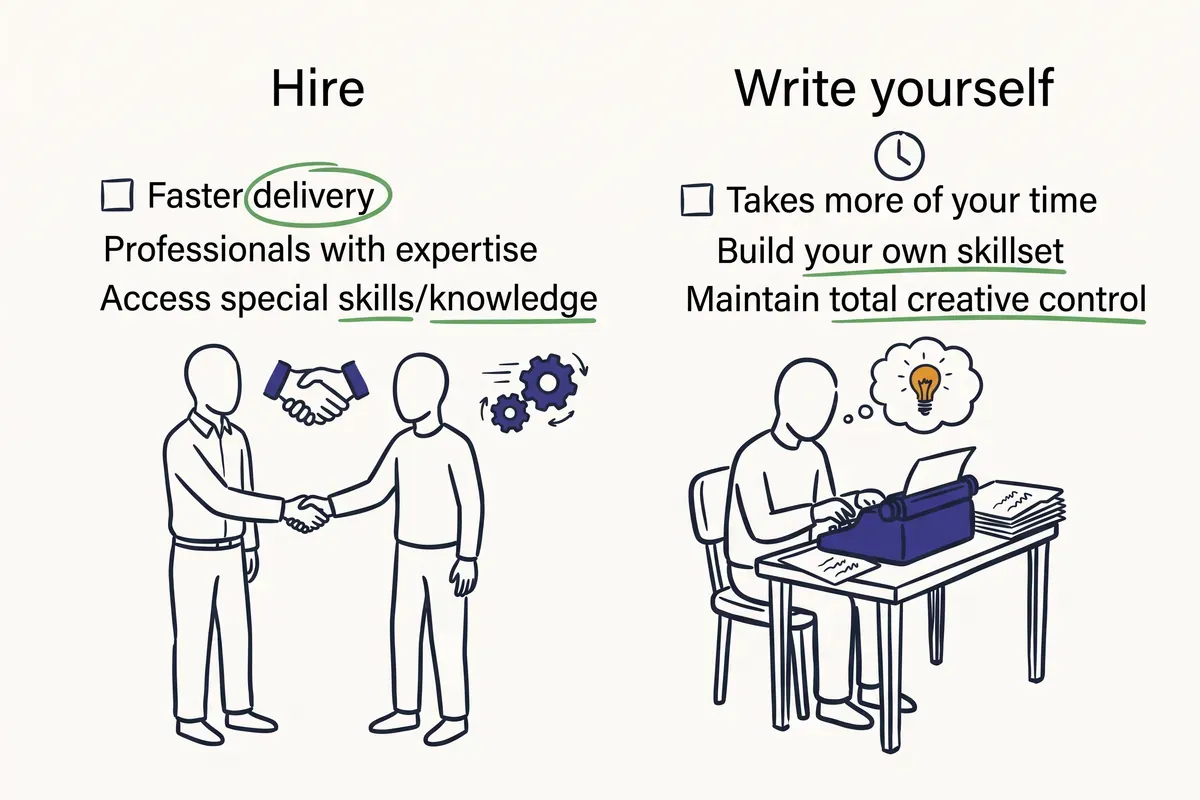
Ghostwriting a book vs. writing it yourself: which fits you?
The choice comes down to your budget and how much of the drafting you want to do yourself.
| If this is you | Consider |
|---|---|
| You have a budget near the survey’s proposal and manuscript bands and little free time | Hiring a book ghostwriter |
| You have time to write but get stuck on structure | Writing it yourself, with an outline and an editor |
| You want your name alone on the cover | Hiring under a no-credit contract |
| You’d rather share credit | An “as told to” book |
| You have a story but can’t pay a full book fee | Writing it yourself from recorded interviews |
How do you become a book ghostwriter?
To become a book ghostwriter, build a body of published writing, then find clients who want your voice-matching skill. BLS says a college degree in English, communications or journalism is generally required for a full-time writing position. It also says experience from internships or from writing such as blogging helps. BLS projects little or no employment change for writers and authors from 2025 to 2035, with about 11,900 openings a year.
Moehringer’s path ran through newspapers. He worked as a news assistant at The New York Times and later as a reporter at the Los Angeles Times before ghostwriting memoirs. If you plan to list on Reedsy, its homepage says it accepts around 1% of freelancer applications. Before you quote your first book, use the ghostwriting rate calculator to turn the income you need into a project fee.
What to do next
You can start preparing for a ghostwritten book today, before you contact any writer.
- Write one paragraph on what your book is for and who will read it.
- Decide whether you’ll pitch publishers. If you will, budget for a proposal first.
- Run the interview question generator and record yourself answering the five hardest questions.
- To budget for editing the finished manuscript, open the EFA rate estimator, choose a per-word or per-hour estimate, pick the editing service and the genre closest to your project, and enter your target word count. Treat the result as guidance only.
- Shortlist three writers on Reedsy, and read one published book by each.
- Ask each for a quote, a dated schedule and a sample chapter, then have an attorney review the contract’s ownership and credit terms before you sign.
Prices and features as of Nov 28, 2026, from each product's own pages.
Frequently asked questions
Is it ethical to use a ghostwriter for a book?
Writer's Digest notes that ghostwriters are recognized and respected in the publishing community because they set their own voice aside to write as someone else. J.R. Moehringer told The New York Times that Open was Agassi's memoir, "not our memoir, not a memoir 'as told to.'" In his words, it was Agassi's accomplishment.
Who is named as the author on a copyright registration for a ghostwritten book?
The U.S. Copyright Office says the author is generally the person who created the work. If the book is a work made for hire, you name the employer or commissioning party and do not name the person who actually wrote it. For a work made for hire, the application also leaves out the author's year of birth and year of death.
Do ghostwriters get royalties?
Usually not. Writer's Digest says ghostwriters usually receive a flat fee rather than a percentage of the royalties. Moehringer summed up the ghostwriter's position this way: "The midwife doesn't go home with the baby."
How much do book ghostwriters earn a year?
In the ASJA and Gotham Ghostwriters survey reported by Publishers Weekly, one-third of the 269 respondents said they earn over $100,000 a year from ghostwriting books. The report did not break down income for the other two-thirds.
Do bestselling ghostwriters charge more?
According to the same survey, 2% of respondents have written 10 or more New York Times bestsellers. Those writers charge upwards of $150,000 for a nonfiction manuscript, and 1% of respondents said they charge over $300,000.
How do you choose a memoir ghostwriter?
Read their own writing before you meet. Andre Agassi asked J.R. Moehringer to work on his memoir after reading The Tender Bar, Moehringer's memoir of his own childhood. Look for a writer whose published voice you can picture telling your story.
Sources
- Ghostwriter Survey Finds Manuscripts Fetch High Fees
- Prince Harry's 'Spare' ghostwriter also wrote bestselling Nike memoir
- J. R. Moehringer - Wikipedia
- Ghostwriting - Writer's Digest
- Standard Application Help: Author | U.S. Copyright Office
- Editorial Rates - The Editorial Freelancers Association
- EFA Announces 2026 Editorial Rate Chart - The Editorial Freelancers Association
- Writers and Authors : Occupational Outlook Handbook: : U.S. Bureau of Labor Statistics
- Reedsy: Find the perfect editor, designer or marketer | Reedsy