A ghostwriter writes books, memoirs, blog posts and social media posts published under someone else's name. They work from interviews and stories, then research, write and edit in the client's voice. Many get no public credit, and contracts usually include a confidentiality clause. BLS puts the May 2025 median for all writers and authors, not ghostwriters alone, at $76,910.
Key takeaways
- Ghostwriters write from a client's interview sessions, stories, notes or outline, matching the credited author's style and voice.
- On a book, ghostwriters often spend from several months to a full year on a single client's project.
- Credit ranges from none to a "with" byline or co-author credit, and a confidentiality clause or NDA is common.
- BLS reports a $76,910 median wage for all US writers and authors in May 2025, a figure that covers every kind of writer, not ghostwriters specifically.
- Medical ghostwriting is called unethical, and estimates of how common it is in journals vary widely with the definition used.
A ghostwriter writes work that is published under someone else’s name: memoirs, how-to and expert books, blog posts and social media updates. If you searched “what does a ghostwriter do,” the short answer from Wikipedia’s article on ghostwriters is that they turn a client’s interview sessions, stories, notes or outline into finished writing that matches the client’s style and voice.
On a book, that takes a long time. The same article says ghostwriters often spend from several months to a full year researching, writing and editing a single client’s project.
| Question | Short answer |
|---|---|
| What do ghostwriters write? | Memoirs, how-to books, series fiction under pen names, blogs, social media, songs and screenplays (Wikipedia on ghostwriting by field) |
| How does the work start? | With interview sessions, stories, notes or an outline from the credited author (Wikipedia) |
| Do they get credit? | Often not. Some get a “with” byline, a co-author credit, or a thank-you as a “research assistant” (Wikipedia on credit) |
| Is the work confidential? | Usually, through a confidentiality clause or a nondisclosure contract (Wikipedia) |
| How are they paid? | Per hour, word or page, a flat fee, a share of royalties, or a mix (Wikipedia on pay) |
| What do writers earn? | A $76,910 median for all US writers and authors in May 2025. This covers every kind of writer, not ghostwriters specifically (BLS Occupational Outlook Handbook) |
What is a ghostwriter?
A ghostwriter is a hired writer whose work is credited to someone else. According to Wikipedia’s ghostwriter entry, a ghostwriter is expected to closely match the credited author’s style and voice while supplying new content. Memoir ghostwriters treat “disappearing” into the client’s persona as a mark of craft. The same entry says that once a writer’s credit is made public, that writer is no longer considered a ghostwriter. For the wider meaning of the practice, see the companion explainer on what is ghostwriting.
What do ghostwriters write?
Ghostwriters write almost any text a person or company wants to publish under one name. Unless another link is given, this list comes from Wikipedia’s overview of ghostwriting by field:
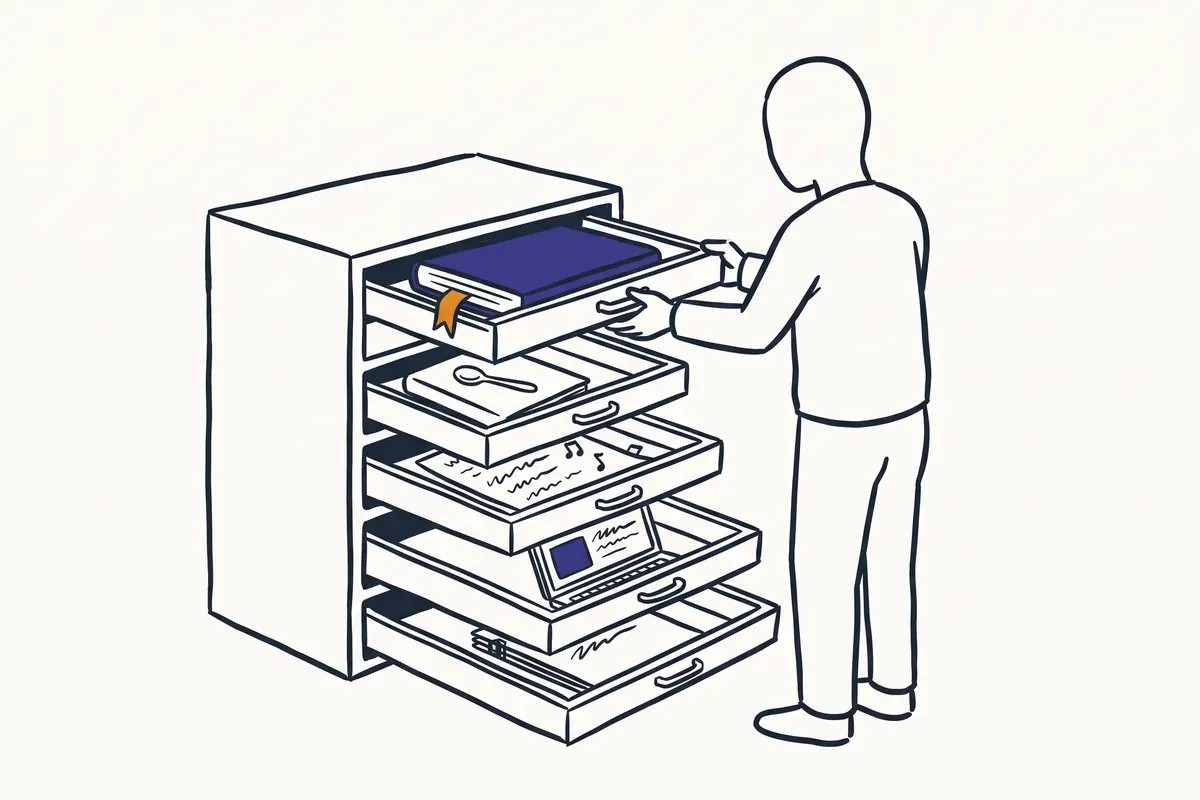
- Memoirs and autobiographies. The ghostwriter’s role ranges from cleaning up a rough draft to writing the whole book from interview sessions.
- Expert books for a consultant or career-switcher who wants to build credibility in their field.
- How-to books, diet guides and cookbooks. Some are written entirely by a ghostwriter, with a celebrity credited as the author.
- Series fiction under pen names. “Carolyn Keene” (Nancy Drew) and “Franklin W. Dixon” (Hardy Boys) are pen names for a series of ghostwriters.
- Blog posts and social media accounts for executives and public figures, written to match the credited person’s tone.
- Official correspondence, which politicians hand to staff called “correspondence officers.”
- Songs, lyrics and screenplay rewrites.
- Book proposals. Reedsy’s homepage says its ghostwriters can help you shape a concept and craft a proposal.
Wikipedia also explains why people hire ghostwriters. Public figures may lack the time, discipline or skill to write a book several hundred pages long. Even people who can write a short article may not know how to structure a book so it stays well paced. Publishers also use ghostwriters to release more books under a marketable name, or to rush out a book tied to a news event.
What does a ghostwriter do day to day?
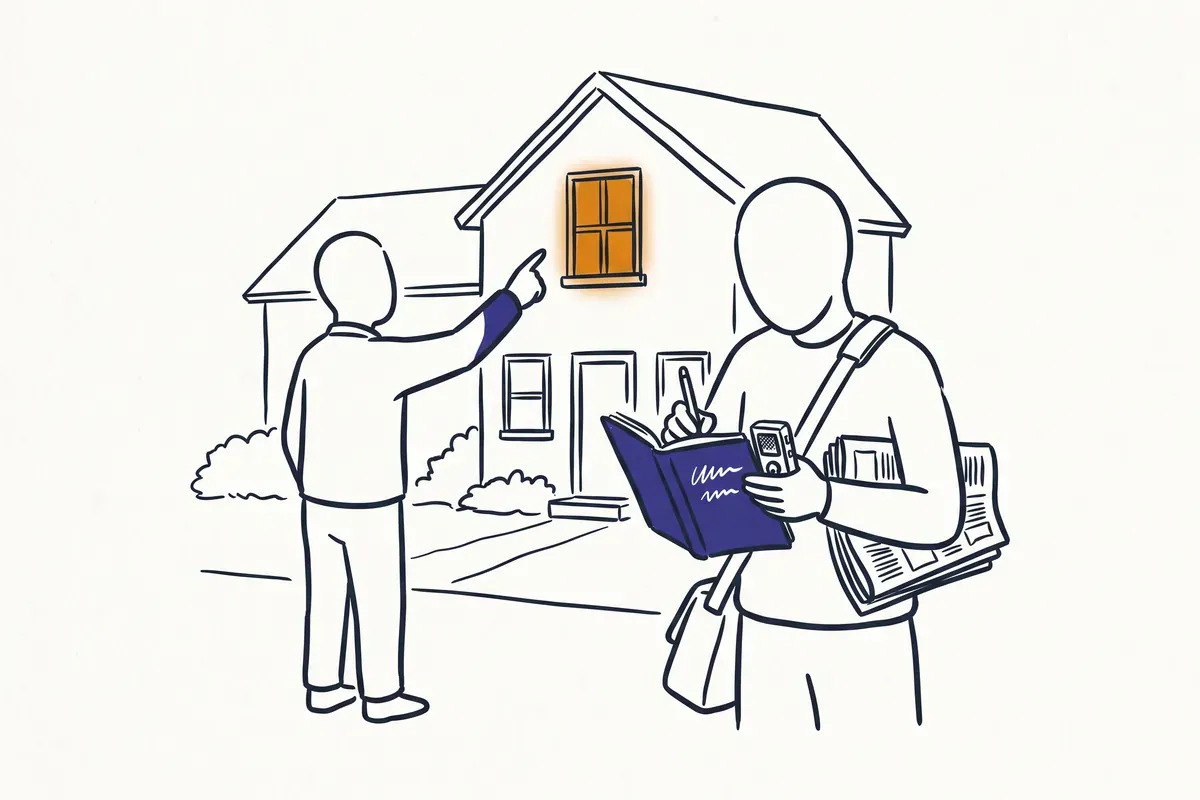
A ghostwriter’s working day is split between collecting material and turning it into pages. In Publishers Weekly’s “Ghostwriting 101”, a working ghostwriter says the common picture of the job is wrong: the author talks, the ghostwriter types, and a book appears. For one memoir, that writer talked at length with the client and his wife, then did 95 more interviews with relatives and people from his career. The writer also read the financial press every day and flew with the client to see his childhood home.
Writer’s Digest’s guide to collaboration agreements sorts the work on any book project into a few kinds:
- Planning: what the book is about, whose perspective it takes, who it’s for, and how many chapters it has. The guide warns that these answers often need revisiting as the project goes on.
- Research: reviewing sources, keeping good notes and records, and going back to check that information is still current.
- Business: agents, publishers, editors, and permission to use third-party material, if the contract gives these jobs to the ghostwriter.
- Writing: drafting chapters, then editing and polishing them.
Example: one week on your memoir
Example: say you’ve hired a ghostwriter for a memoir about the restaurant you ran for 20 years, and the project is two months in. One week could run like this:
- MondayRecorded interview about the year you nearly closed, with questions about failures, small details and earlier sessions.
- TuesdayThe recording becomes a transcript, typed up by the ghostwriter or someone they pay.
- WednesdaySide interviews and fact checks: a call with your former head chef and a review of old menus.
- ThursdayThe outline changes: the near-closure story moves from chapter 7 to chapter 3.
- FridayA draft chapter goes to you for review, with open questions flagged in the margin.
- Monday: a recorded interview about the year you nearly closed. The ghostwriter asks about your failures and about small details, like your old supplier or the layout of the kitchen, and comes back to questions from earlier sessions. The Publishers Weekly piece notes that a question may need asking several times before the answer reaches the heart of the matter.
- Tuesday: the recording becomes a transcript. The ghostwriter types it up or pays someone to. The EFA rate chart treats transcription as a separate service, priced per audio minute or per hour.
- Wednesday: side interviews and fact checks, such as a call with your former head chef and a review of old menus to confirm dates.
- Thursday: the outline changes. The near-closure story moves from chapter 7 to chapter 3.
- Friday: a draft chapter goes to you for review, with open questions flagged in the margin.
In this example, your notes come back the following week and the ghostwriter revises the chapter. The guide to memoir ghostwriting covers how this plays out over a whole book.
How does a ghostwriter capture someone else’s voice?
A ghostwriter captures a client’s voice by studying how the client talks. The Publishers Weekly writer describes internalizing a client’s voice, including how they talk and the words they use, and calls interviewing only the start. Wikipedia adds that the credited author tells the ghostwriter what style, tone or “voice” they want. For the Nancy Drew and Hardy Boys series, Wikipedia says ghostwriters work from a template that includes the characters’ speech patterns, and are often given copies of earlier books to help them match the style.
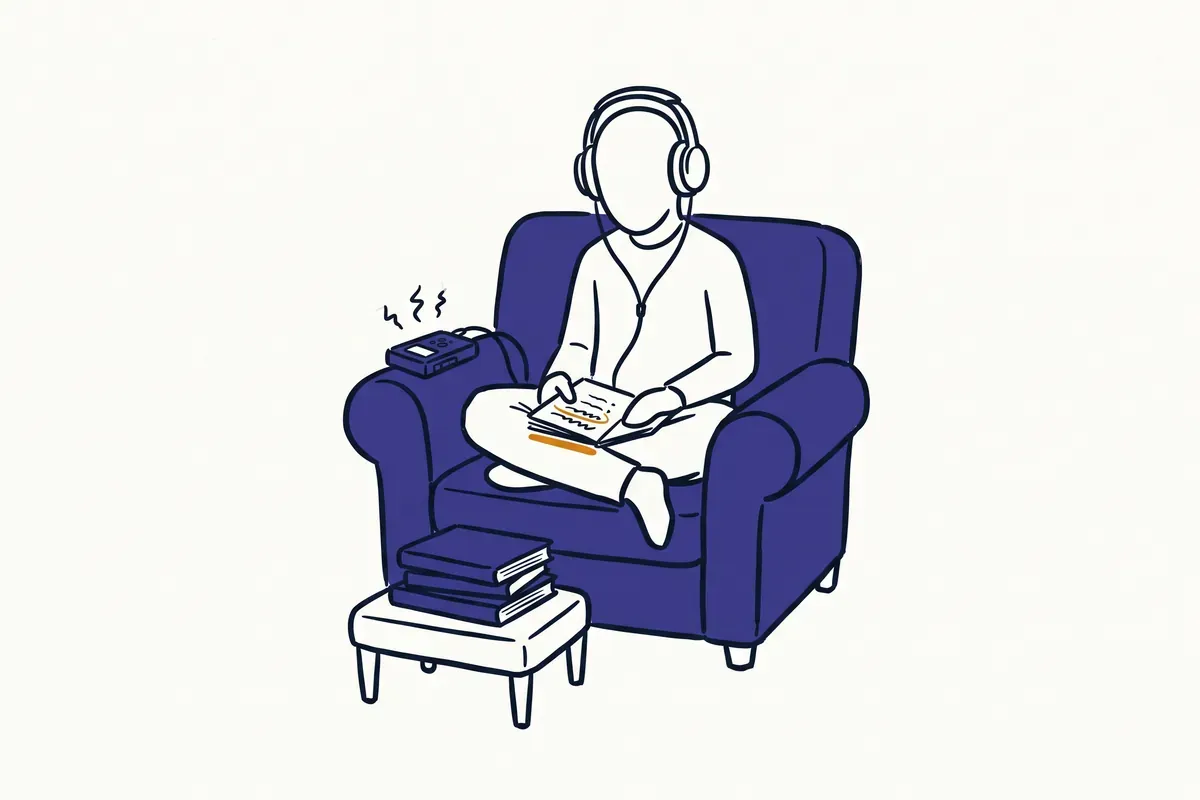
Material you already have feeds in too. Wikipedia lists stories, notes and outlines from the credited author among the ghostwriter’s raw inputs. Revision does the rest: Writer’s Digest describes the writing stage as drafting that is “edited and polished and edited again.”
Example: from transcript to page
Example, before (your interview transcript): “So the first winter, honestly, it was brutal. Some nights we had, like, four tables. My wife kept saying, ‘We’ll get through January,’ and I kept saying, ‘With what money?’”
Before
So the first winter, honestly, it was brutal. Some nights we had, like, four tables. My wife kept saying, 'We'll get through January,' and I kept saying, 'With what money?'
After
That first winter was brutal. Some nights we served four tables. My wife kept telling me we'd get through January, and I kept asking her with what money.
After (the ghostwriter’s draft): “That first winter was brutal. Some nights we served four tables. My wife kept telling me we’d get through January, and I kept asking her with what money.”
In this example, the ghostwriter cut the filler words. “Brutal,” the four tables and the exchange with your wife all stayed, because they carry how you talk.
Do ghostwriters get credit?
Many ghostwriters get no public credit, though some arrangements give partial credit. Wikipedia’s section on remuneration and credit lists the common ones:
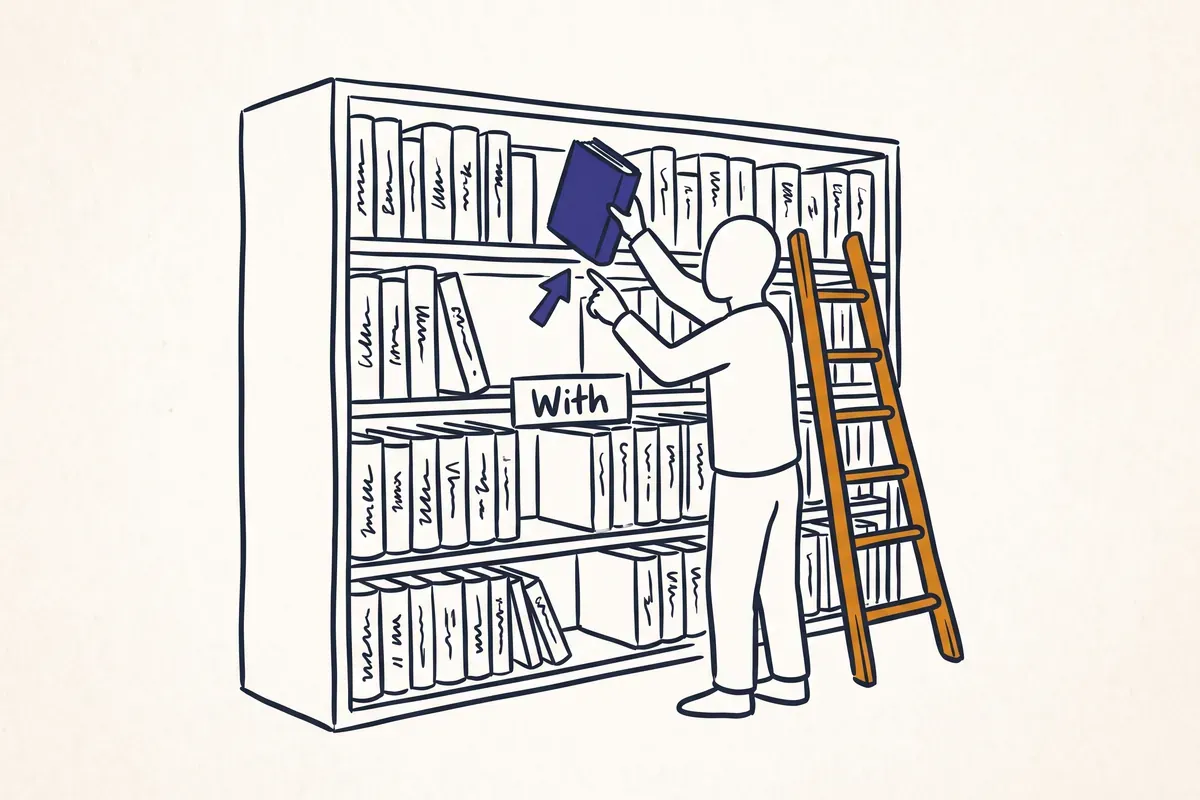
- A “with” byline: the client’s name is the main byline, and “with [ghostwriter’s name]” appears beneath it. Sometimes this credit replaces part of the fee, or all of it.
- A co-author credit on a book, or a screen credit for a script.
- A mention as “contributor,” “researcher” or “research assistant” on nonfiction.
- No credit at all.
Do ghostwriters sign NDAs?
Many book ghostwriters work under some kind of confidentiality term. Wikipedia says the contract usually has a confidentiality clause. It either requires the ghostwriter to stay anonymous or requires the credited author not to reveal the ghostwriter. When the client or publisher wants the role kept secret, the ghostwriter may be asked to sign a nondisclosure contract that forbids any mention of their part in the project.
What goes into a ghostwriting agreement?
A ghostwriting agreement sets out who does which work, who gets the credit and the money, and how either side can leave. Writer’s Digest’s checklist, written by a lawyer, names the main terms:
Checklist
- Who is responsible for which tasks
- Credit
- Control over how the work is copied and sold
- Profit
- Who pays if someone sues for infringement or defamation
- An exit plan
- Whether disputes go to mediation, arbitration or court
- Which state's law applies

- who is responsible for which tasks
- credit
- control over how the work is copied and sold
- profit
- who pays if someone sues for infringement or defamation
- an exit plan
It also suggests deciding whether disputes go to mediation, arbitration or court, and which state’s law applies. The Authors Guild’s Writer’s Legal Guide, now in its fourth edition, has a chapter called “Collaboration and Ghostwriting Agreements” that Guild members can download.
What’s the difference between a ghostwriter and a co-author?
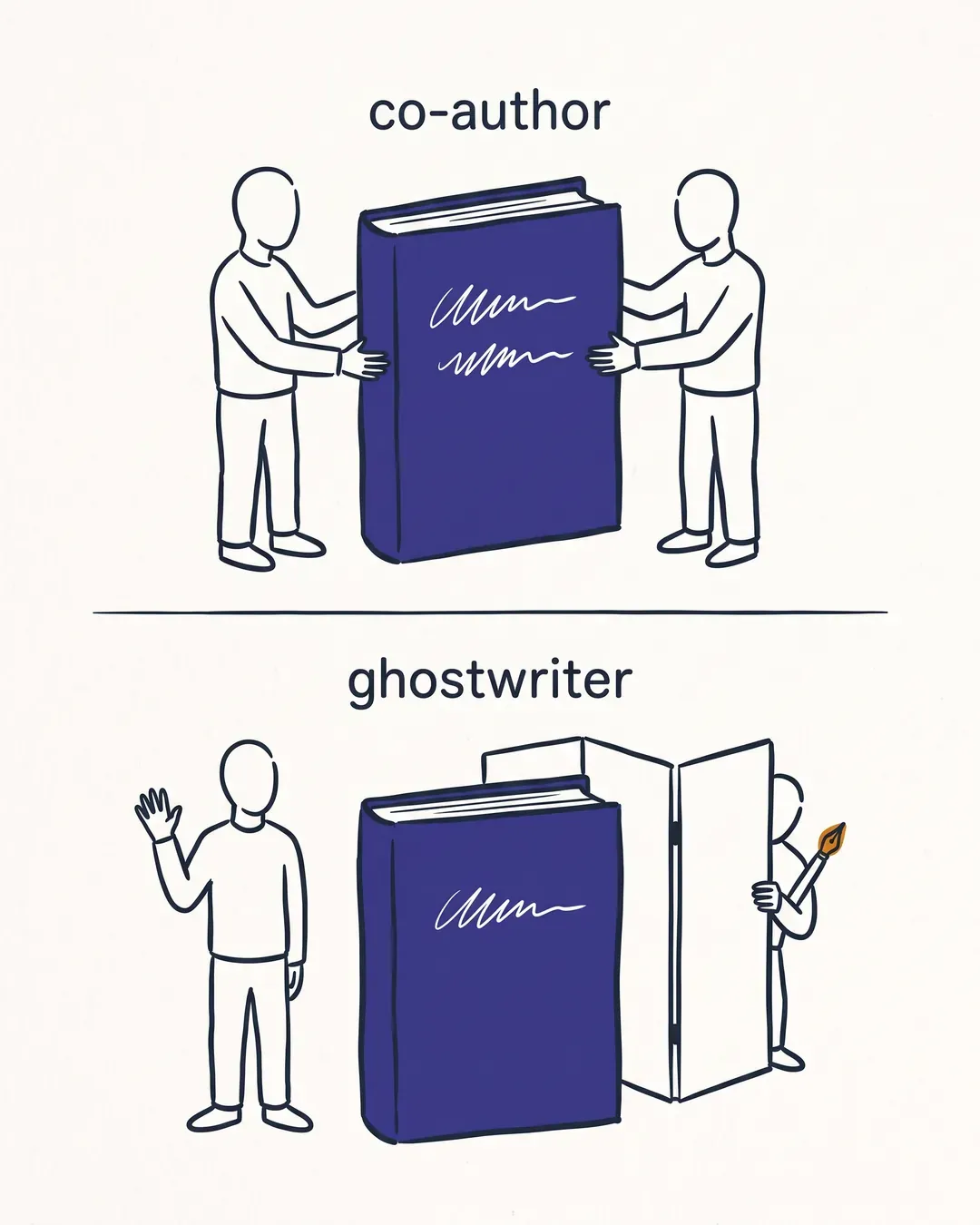
A co-author is publicly named on the work, and a ghostwriter usually isn’t. Wikipedia notes that a ghostwriter can end up credited as a co-author, and at that point the credit is public. Writer’s Digest describes co-authors working out how to split credit, control and profit. It warns that a 50/50 split feels natural but isn’t always fair, and mentions legal battles over whose name goes first on a cover and in what type size. Wikipedia lists the ways ghostwriters are paid: per hour, word or page, a flat fee, a share of royalties, or some combination.
Where is ghostwriting controversial?
Ghostwriting is controversial in medical research, where a hidden writer can conceal a drug company’s role. Wikipedia calls medical ghostwriting “controversial and scientifically unethical.” In this practice, companies pay writers to produce papers and then recruit doctors to put their names on them.
How common it is remains in dispute. A systematic review archived on PMC, based on database searches run on 23 May 2013, found that prevalence estimates “varied markedly” with the definition and sample used. Studies of single drugs found possible ghostwriting in 57% of sertraline articles published from 1998 to 2000, and in 69% of rofecoxib reviews from 1996 to 2004. A Danish study that used a non-standard definition reported 75%. Secondary articles cited figures anywhere from 6% to 100%.
The review separates hidden ghostwriting from disclosed professional medical writing, which it calls ethical. It cites an earlier estimate that disclosed medical writing assistance appears in 6% to 11% of what medical journals publish. Much of this research is more than a decade old.
Wikipedia flags other gray areas too. In hip-hop, the increasing use of ghostwriters by high-profile stars has led to controversy. Students who hire essay-mill ghostwriters for papers or dissertations are largely considered to be acting unethically unless the help is light editing. In film music, uncredited composing is described as one of the business’s “dirty little secrets.”
How much do ghostwriters make?
Ghostwriter pay is easiest to benchmark against BLS figures for the whole writing occupation, plus a few book fees reported by Wikipedia. The Bureau of Labor Statistics puts the median annual wage for writers and authors at $76,910 in May 2025. It projects little or no change in employment (0%) from 2025 to 2035, with about 11,900 openings a year. BLS also notes that many writers are self-employed. These numbers cover every kind of writer, not ghostwriters specifically, so treat them as context for ghostwriting pay.
76,910 USD a year
Median annual wage for all US writers and authors, May 2025 (not ghostwriters specifically)
Source: bls.gov, as of Nov 29, 2026
0%
Projected change in employment, 2025 to 2035
Source: bls.gov, as of Nov 29, 2026
11,900 a year
Projected openings for writers and authors each year
Source: bls.gov, as of Nov 29, 2026
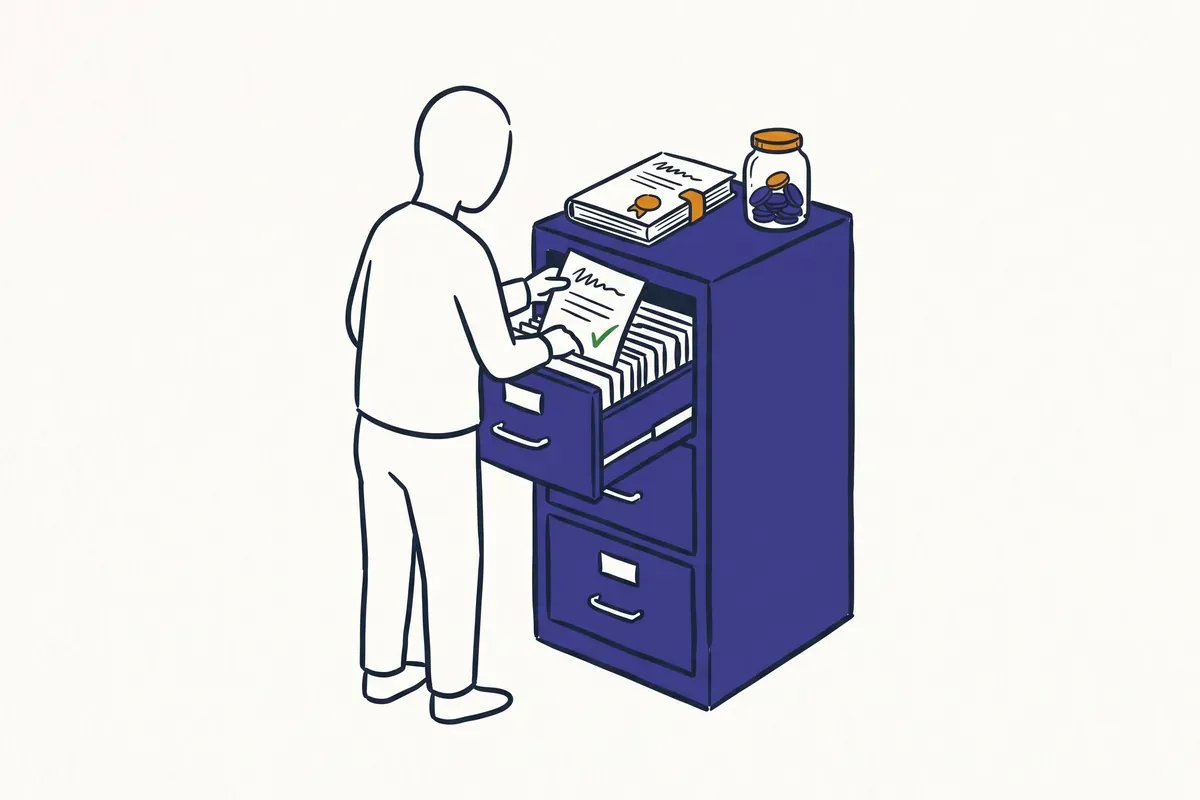
Wikipedia reports a few book fees, all of them dated:
- In 2013, a literary agent put the average ghostwriter’s advance for work with major publishers at $40,000 to $70,000.
- Manhattan Literary, a ghostwriting company, says shorter books of 30,000 to 42,000 words start at $15,000.
- At the top end, The New York Times estimated in 2001 that the ghostwriter on Hillary Clinton’s memoir would probably receive about $500,000 of her $8 million advance.
The Editorial Freelancers Association’s 2026 rate chart is based on a survey of more than 1,100 people, run from November 2025 to mid-January 2026. The EFA stresses that its rates are for guidance only and are not mandated. Its rate estimator asks for a type of service, such as editing, publishing, reading or consulting, plus a genre and a word count.
How much does it cost to hire a ghostwriter?
The cost of hiring a ghostwriter depends on the project and the writer. The EFA says individual fees vary considerably with experience and the scope of the work. Marketplaces are one route. Reedsy lets you browse profiles, request free quotes and compare offers, and you can message, share files and pay in one place. Reedsy says projects are covered by its project protection guarantee, and that it accepts around 1% of the freelancers who apply. For a fuller breakdown of rates, see the guide on how much it costs to hire a ghostwriter.
What skills does a ghostwriter need, and how do people get into the work?
A ghostwriter needs skills that match the tasks above:
- interviewing that gets past rehearsed answers
- structuring a manuscript several hundred pages long
- matching another person’s voice
- keeping a confidentiality agreement
Writer’s Digest points out that in a collaboration, being the best interviewer can be a role of its own.
As for getting in, BLS says a college degree in English, communications or journalism is generally required for full-time writing jobs, and that experience from internships or blogging helps. The Publishers Weekly ghostwriter started in journalism and says book work allows going deeper than a news story, because the writer may work with one client for a year. If you’re weighing the move, the guide on how to become a ghostwriter covers skills, clients and pay.
What to do next
Your next step depends on whether you’re hiring a ghostwriter or want to become one, and both can start today with a short piece of writing.
- If you’re hiring, write one paragraph on what you want (memoir, business book, proposal or posts), who it’s for, and your deadline. Collect your notes, recordings and old talks so the first interview has material to work from.
- Before you sign, ask for a written agreement that covers who handles which tasks, credit, confidentiality, how the fee is structured, who pays if a third party sues, and how either side can exit. Use the Writer’s Digest checklist as your list.
- Get quotes from more than one writer. On Reedsy you can request free quotes from profiles, and the guide on how to hire a ghostwriter covers vetting candidates.
- If you want to do the work, try it today. Record a short interview with a friend about one event, transcribe it, write a page in their voice, and ask them which lines don’t sound like them.
- Check the State & Area Data on the BLS writers and authors page to see writer wages where you live.
Prices and features as of Nov 28, 2026, from each product's own pages.
Frequently asked questions
What legal questions come up in a ghostwriting deal?
Copyright ownership is one. The Authors Guild's Writer's Legal Guide has a chapter on works made for hire and joint works, and the guide also covers libel and privacy. Writer's Digest adds smaller terms worth settling: whether a collaborator can assign their share to a third party without the other's consent, and whether there are limits on writing sequels or competing works.
What happens if a ghostwriting project falls apart?
It depends on the exit clause in your agreement. Writer's Digest lists options that range from abandoning the project entirely (rare and hard to enforce) to letting each side take back its own contributions, or letting one party continue while paying an agreed royalty to the other. Early in a project the simplest fix is usually for the departing party to waive any claim. A falling-out late in the process usually ends with one side buying the other out.
Can a ghostwriter claim credit or royalties later?
Sometimes they try. Wikipedia describes a 1993 lawsuit in which Darryl Neudorf, who had worked on Sarah McLachlan's album Touch, said he had made a significant and uncredited contribution to its songwriting. The judge ruled for McLachlan on the songs, finding that neither regarded the other as a joint author, but ruled in Neudorf's favor on the payment issue.
Is a professional medical writer the same as a ghostwriter?
No, as long as the writer's role is acknowledged. Wikipedia notes that acknowledged medical writers are accepted as legitimate by the World Association of Medical Editors and the British Medical Journal, and that the European Medical Writers Association publishes guidelines for the role. The ethical problem is hiding the writer and the sponsor.
Do ghostwriters write fiction too?
Yes. Wikipedia notes that the estate of the gothic novelist V. C. Andrews hired a ghostwriter to keep writing novels in her name and style after her death. It also says the first two books in the Tom Clancy's Splinter Cell franchise were written by Raymond Benson under the pseudonym David Michaels.
Sources
- Writers and Authors : Occupational Outlook Handbook: : U.S. Bureau of Labor Statistics
- Ghostwriting 101
- Collaborative Writing: 3 Questions Co-Authors & Ghostwriters Need to Ask
- Writer's Legal Guide - The Authors Guild
- EFA Announces 2026 Editorial Rate Chart - The Editorial Freelancers Association
- Editorial Rates - The Editorial Freelancers Association
- Ghostwriter - Wikipedia
- Systematic review on the primary and secondary reporting of the prevalence of ghostwriting in the medical literature - PMC
- Reedsy: Find the perfect editor, designer or marketer | Reedsy